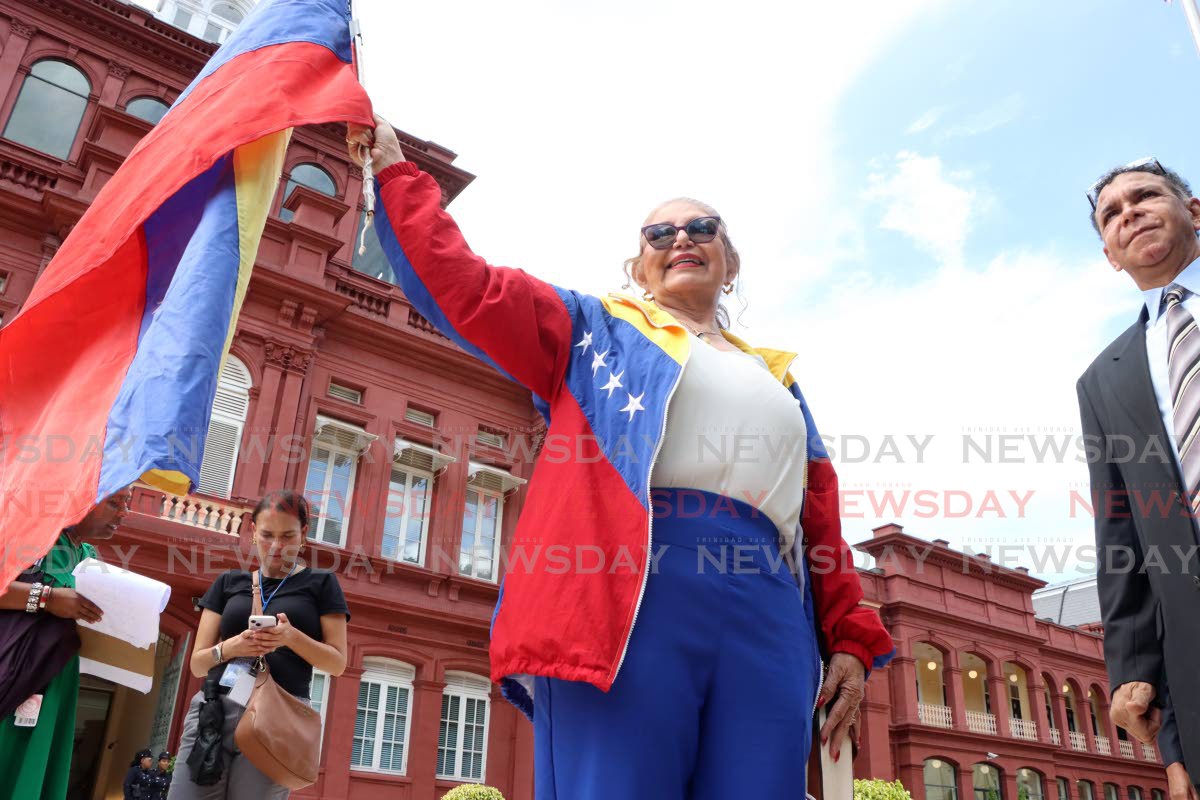
The Trinidad and Tobago government’s abrupt acceleration of its migrant registration initiative has generated significant apprehension within immigrant communities, prompting leading human rights advocates to step forward with crucial clarifications. Originally scheduled to commence on January 30, the Ministry of Homeland Security unexpectedly announced on January 23 that the Migrant Registration Framework would instead launch on January 26, creating widespread uncertainty about eligibility requirements and procedural details.
The registration process will be conducted across four major sporting venues: Hasely Crawford Stadium in Port of Spain, Larry Gomes Stadium in Arima, Ato Boldon Stadium in Couva, and Dwight Yorke Stadium in Tobago. Successful applicants will receive official migrant registration cards granting legal authorization to reside and seek employment in Trinidad and Tobago through December 31, 2025, upon payment of a $700 registration fee. The government has emphasized that unregistered migrants face potential deportation.
Venezuelan human rights activist Yesenia Gonzalez of the Themis Foundation of the Americas has emerged as a key interpreter of the policy, addressing the confusion that spread through migrant communities via WhatsApp networks and other channels. Gonzalez explained that while the government deliberately avoids using the term ‘amnesty,’ the program effectively functions as a temporary regularization measure. From a legal perspective, it does not constitute a full amnesty as it neither grants permanent residency status nor absolves all previous immigration violations. However, it establishes a temporary suspension of immigration penalties, enabling undocumented migrants to obtain official documentation without fear of immediate prosecution.
Eligibility criteria extend beyond Venezuelan nationals to include any foreign national residing in Trinidad and Tobago without valid immigration status, provided they have no serious criminal convictions and present no demonstrable threat to public safety. This encompasses migrants from Caribbean neighbors, Latin American countries, African nations, and beyond, including asylum seekers, recognized refugees, and individuals who have overstayed visas or otherwise lost their legal status.
Andreina Ventura-Brown of La Casita Hispanic Cultural Centre corroborated this assessment, characterizing the registration as a critical opportunity for migrants to transition from precarious legal situations into protected status. Her organization actively encourages participation in the program, framing it as a legitimate pathway toward legal recognition, economic participation, and social inclusion. Through regularization, migrants can reduce their vulnerability, gain access to essential services and education, and contribute openly to their adopted society while fulfilling responsibilities under national law.