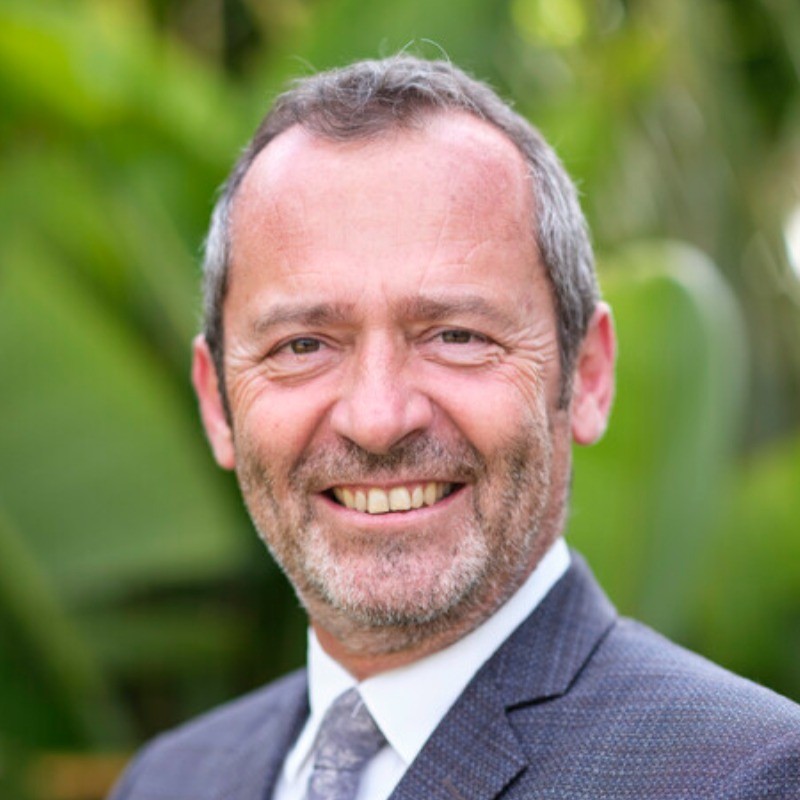
On the occasion of International Day of Education 2026, UNESCO’s Caribbean Regional Office Director Eric Falt has issued a compelling call to address the critical educational disparities facing young males across the region. While Caribbean youth continue to demonstrate remarkable capacity for innovation and social transformation, alarming data reveals a troubling pattern of male disengagement from formal education systems.
Statistical evidence indicates a pronounced gender gap in educational completion rates, with boys constituting the majority of out-of-school youth throughout the Caribbean. This trend manifests most severely at the upper secondary level, where male dropout rates reach concerning proportions. The consequences of this educational deficit extend far beyond the classroom, creating ripple effects that diminish economic prospects, limit life opportunities, and increase vulnerability to violence and high-risk behaviors.
UNESCO’s research underscores that traditional educational frameworks frequently fail to address the specific needs and learning styles of male students. The organization emphasizes that effective solutions must involve youth as active participants in designing the systems that shape their futures. Successful initiatives across the region demonstrate that when boys are given meaningful voice through Youth Forums, SDG 4 Youth networks, and community consultations, their educational engagement and success rates improve significantly.
Comprehensive approaches combining mentorship programs, digital skills training, and practical pathway connections have proven effective in maintaining male student motivation. Furthermore, UNESCO identifies the critical importance of addressing structural barriers including poverty, restrictive gender norms, inadequate school access, and insufficient workforce preparation programs.
The organization’s findings confirm that educated males demonstrate greater resilience against violence and social marginalization while contributing more substantially to family and community stability. UNESCO advocates for policy reforms that prioritize equitable funding, targeted support systems, and educational environments that reflect the lived experiences of all students.
This International Day of Education serves as both celebration and call to action—recognizing youth potential while demanding inclusive, responsive systems that transform disengagement into participation and unrealized potential into tangible achievement for every Caribbean student.