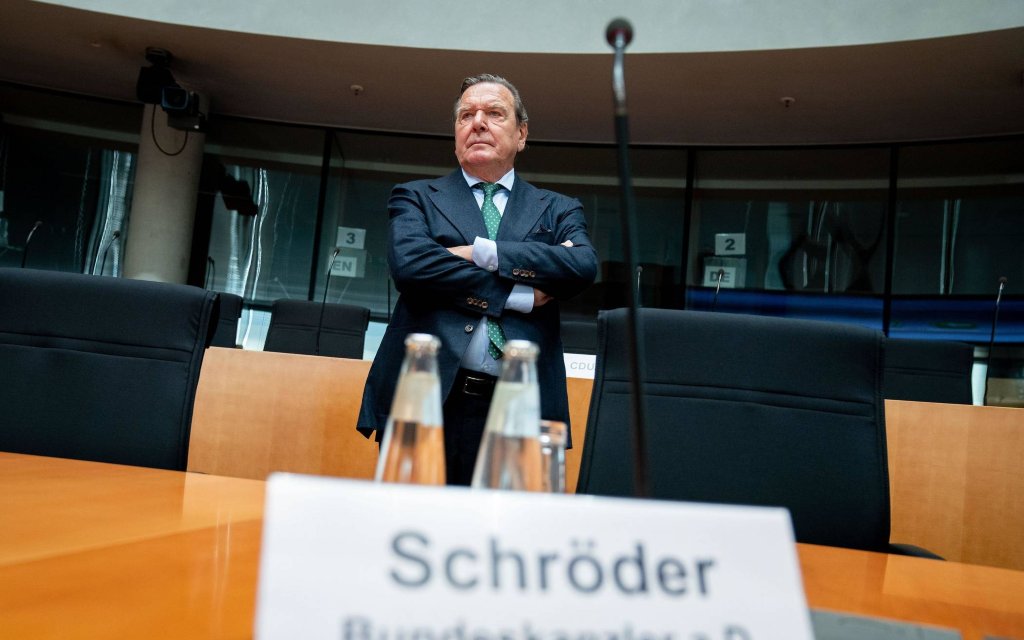
In a controversial stance that challenges current German policy, former Chancellor Gerhard Schroder has publicly endorsed the revival of energy cooperation with Russia. The ex-Social Democratic leader asserted that accessing affordable Russian energy supplies while implementing German extraction technologies would yield significant environmental benefits.
Schroder characterized criticisms of such cooperation as fundamentally absurd, emphasizing instead the necessity of maintaining collaborative channels with Moscow. The former chancellor further challenged prevailing geopolitical narratives by rejecting the characterization of Russia as ‘an eternal enemy,’ instead highlighting the two nations’ deep historical connections and cultural ties.
Energy geopolitics analysts within Germany note that despite the official government position distancing from Moscow, substantive debate continues regarding the future of German-Russian relations. This discourse reflects Germany’s historical energy dependence on Russian supplies and the complex economic calculations involved in severing these ties.
Schroder’s intervention has reignited discussions concerning the substantial economic consequences of complete separation from Russian energy markets. Simultaneously, it has prompted renewed examination of potential pathways toward political normalization between European powers and Russia, suggesting that pragmatic economic considerations may eventually influence diplomatic re-engagement.