A major conflict has emerged in Chile between renewable energy ambitions and astronomical research, pitting a green hydrogen initiative against one of the world’s most important astronomical observatories. AES Andes, the Chilean subsidiary of American energy multinational AES Corporation, has faced mounting opposition to its proposed INNA project—a green hydrogen and ammonia production facility planned for the Atacama Desert.
The project, which entered Chile’s Environmental Impact Assessment System in 2024, has encountered significant regulatory hurdles and widespread objections from both domestic and international stakeholders. The controversy stems from the proposed location just kilometers from the town of Taltal, placing it in immediate proximity to the Paranal Observatory.
Paranal represents one of the most critical ground-based astronomical facilities globally, housing the renowned Very Large Telescope (VLT) operated by the European Southern Observatory (ESO). The site is also currently constructing the Extremely Large Telescope (ELT), projected to become the world’s largest optical/near-infrared telescope upon completion. Scientists anticipate the ELT will revolutionize our understanding of the universe by capturing unprecedented images that could reveal new insights into cosmic history and evolution.
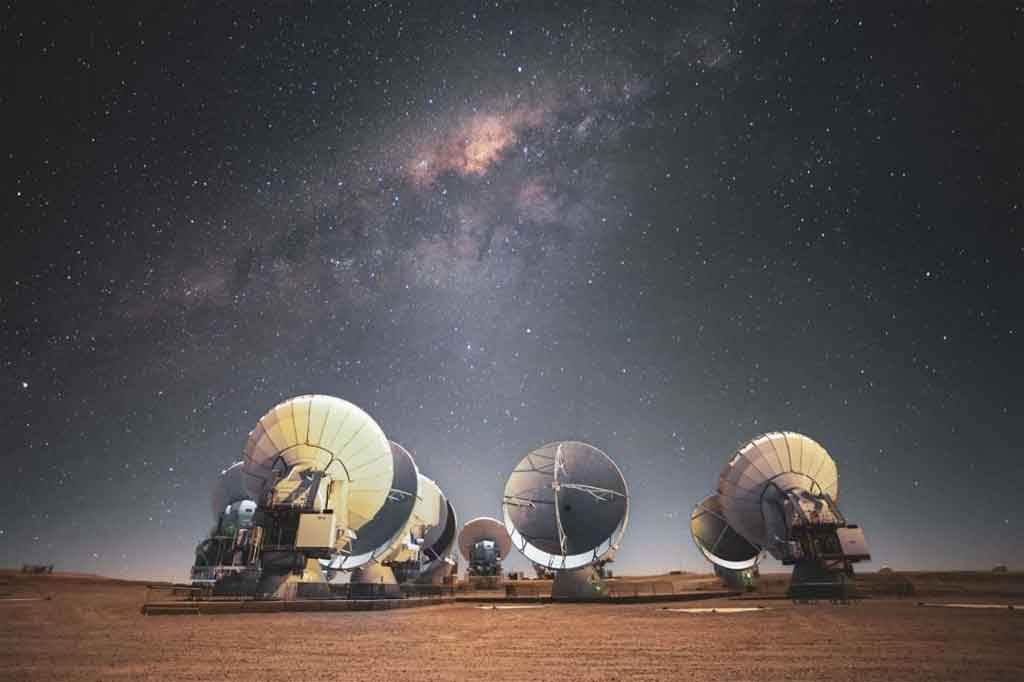
The Atacama Desert has earned global recognition among astronomers for its exceptional observational conditions, combining high altitude, minimal atmospheric interference, and exceptionally dark skies—attributes that make it uniquely suited for cutting-edge astronomical research.
Environmental assessors and scientific organizations have raised concerns that the INNA project could severely degrade these pristine conditions through multiple mechanisms: light pollution from facility operations, atmospheric emissions that could affect air clarity, and potential vibration impacts from industrial activity. The conflict highlights the growing challenge of balancing renewable energy development with the preservation of scientifically critical environments.