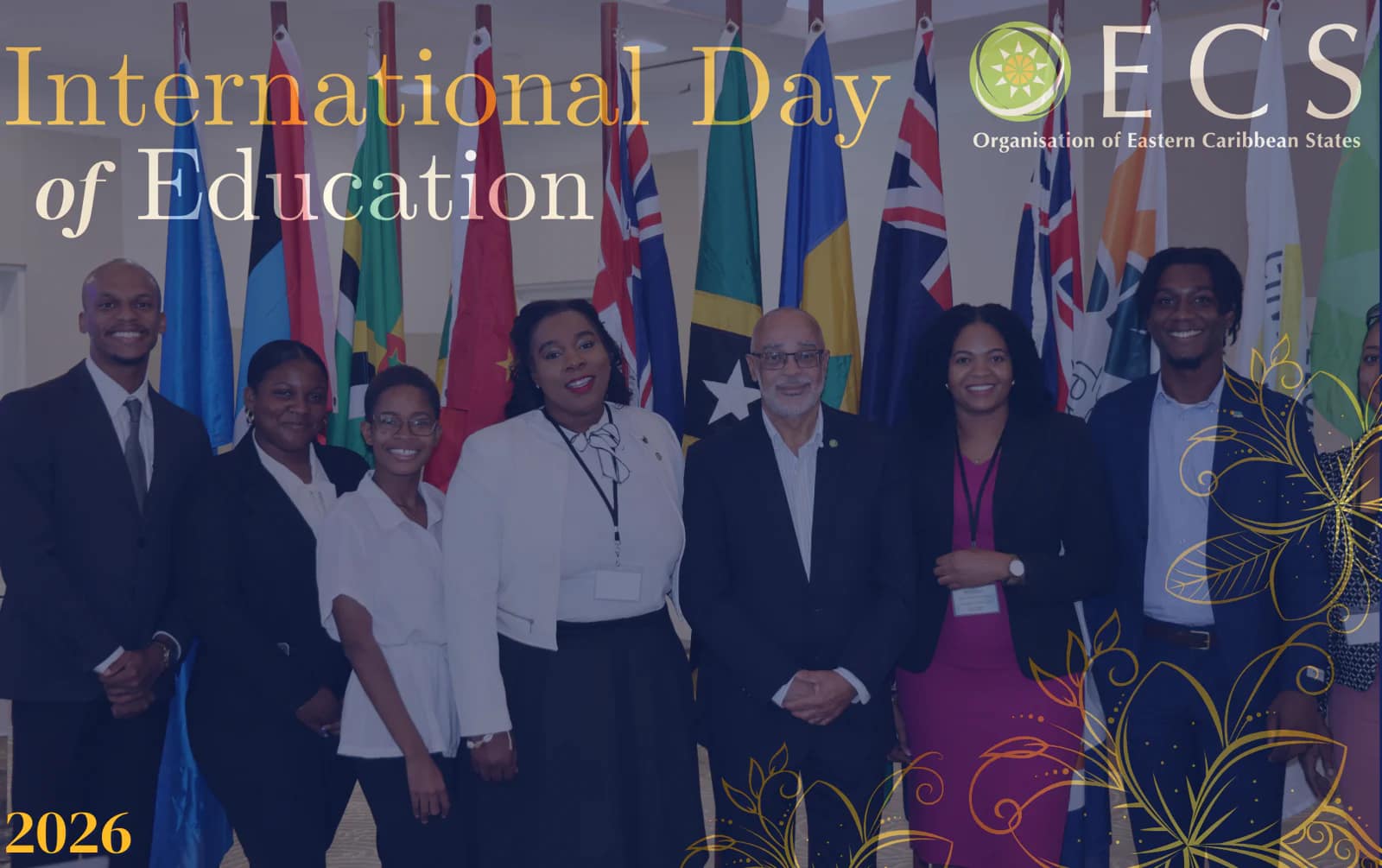
The Organisation of Eastern Caribbean States (OECS) Commission has marked the 2026 International Day of Education by launching a comprehensive initiative to position youth as central architects of educational transformation. Under the theme ‘The Power of Youth in Co-Creating Education,’ the regional body is implementing groundbreaking strategies to institutionalize youth participation in shaping future learning ecosystems.
The Commission’s Education Development Management Unit (EDMU) is spearheading multiple digital innovation projects designed to modernize education across member states. These include the development of the OECS Regional Education Sector Strategy (2027–2037) and the creation of a sophisticated Digital Learning Ecosystem featuring harmonized primary curricula. A particularly significant advancement is the upcoming Skills and Innovation Project (SKIP) platform, which will incorporate Knowledge Technology Information systems, a Virtual Campus, and advanced Education Management Information Systems aligned with international data standards.
In a historic governance shift, the OECS Council of Ministers: Education and the Council of Youth and Sports have formally integrated youth representatives into high-level education policy meetings. This structural change is reinforced by the established Youth Advisory Network (YAN), which provides a permanent channel for young leaders to influence regional decision-making processes.
The cornerstone of this youth engagement strategy is the ongoing OECS Student Census, which has already captured input from over 50,000 students across kindergarten to secondary levels. This anonymous survey gathers critical data on learning experiences, digital access, wellbeing, and educational challenges, directly informing policy development.
Dr. Didacus Jules, OECS Director General, emphasized that ‘Young people are not only the future of the OECS, they are also the architects of that future.’ Mrs. Sisera Simon, Head of Human and Social Division, further reinforced this vision by calling for continued youth participation in shaping ‘inclusive, relevant, and future-ready education systems’ that address contemporary social, economic, and technological realities.
The Commission concluded its International Day of Education observations by acknowledging the collaborative efforts of students, parents, educators, youth leaders, and Ministries of Education in advancing this transformative educational agenda.