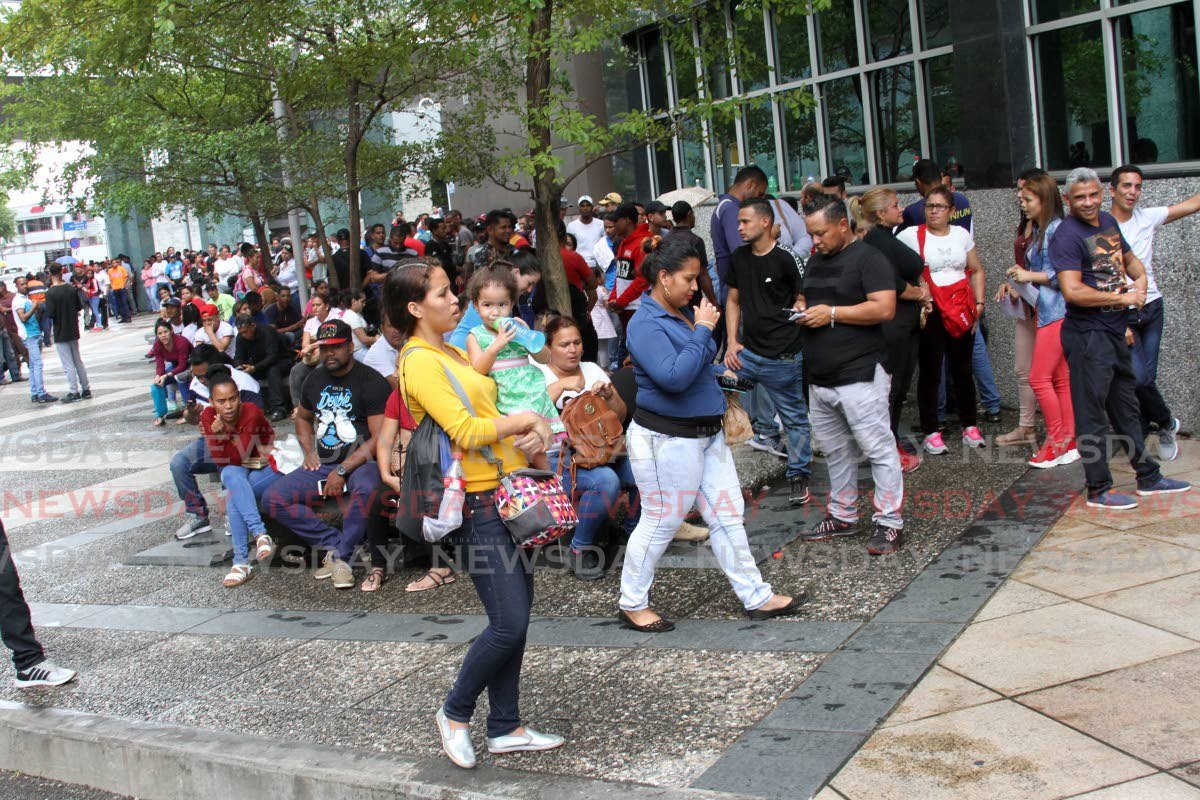
Trinidad and Tobago has significantly accelerated the implementation of its Migrant Registration Framework (MRF), moving the launch date forward to January 26 instead of the previously announced January 30. The expedited timeline was confirmed through an official ministry statement on January 23, introducing additional security measures including mandatory fingerprinting requirements for all applicants.
The digital registration phase will operate through the official portal migrantregistration.gov.tt until February 25, with adult applicants required to pay a $700 registration fee as previously stipulated. Following the online process, mandatory in-person verification will commence at the end of February 2026 across four designated sporting venues selected for their high-capacity capabilities: Hasely Crawford Stadium (Port of Spain), Larry Gomes Stadium (Arima), Ato Boldon Stadium (Couva), and Dwight Yorke Stadium (Tobago).
Homeland Security Minister Roger Alexander emphasized that this initiative differs fundamentally from previous registration exercises by encompassing all undocumented migrants regardless of nationality or previous registration status. The comprehensive vetting process will involve security screenings by police authorities, including fingerprint analysis and background checks, alongside health assessments conducted by Ministry of Health officials.
Successful registrants will receive migrant registration cards providing legal authorization to reside and work in Trinidad and Tobago until December 31. The ministry issued a stern reminder that failure to participate in this registration exercise will result in deportation proceedings.
Despite the accelerated timeline, the registration portal remained non-operational as of January 23, displaying a ‘coming soon’ message while encouraging prospective applicants to gather necessary documentation including birth records, passport details, vaccination records, and employment history.
The current framework expands upon the 2019 initiative that initially registered approximately 16,000 Venezuelan migrants. Minister Alexander characterizes the updated program as a strategic measure promoting equity while strengthening national security protocols.
However, migrant communities have expressed significant concerns regarding the registration cost and logistical challenges, particularly for single parents and individuals with irregular employment. Many remain apprehensive about potential mass deportations and seek clarification regarding various legal status scenarios, including those with existing deportation orders or previous registration cards.