In a series of extraordinary provincial government council meetings held Thursday in Ciego de Ávila and Sancti Spíritus, Cuban Prime Minister Manuel Marrero Cruz delivered a forceful address emphasizing municipal-level development as the cornerstone of national progress. The high-level gatherings focused on addressing Cuba’s pressing economic challenges through localized solutions and systemic transformation.
Marrero Cruz characterized municipalities as essential battlegrounds for solving population-level problems, urging local governments to transition from passive administrative units to proactive development protagonists. “The municipality must stop being a passive link and become the protagonist of its own development,” he stated, calling for concrete actions over rhetoric.
The Prime Minister framed Cuba’s current economic situation as effectively a “war economy” resulting from intensified U.S. embargo measures and increasingly hostile American policies. This reality, he argued, necessitates profound transformations and radical shifts in mentality rather than half-measures or business-as-usual approaches.
Agricultural production emerged as a central theme, with particular focus on Ciego de Ávila’s strategic role in national food security. With approximately 35,000 hectares dedicated to diverse crops including root vegetables, grains, and fruit trees, the province represents a critical agricultural bastion. Agriculture Minister Ydael Pérez Brito highlighted the province’s geographical advantages and combination of land resources and skilled labor as key assets.
The meetings established 2026 as a pivotal year for Cuba, with Marrero acknowledging difficulties ahead while emphasizing strengthened policy implementation to unleash territorial potential. “If you want to move forward,” he asserted, “you have to do things differently and not be afraid of change.”
Governor Alfre Menéndez Pérez adopted a self-critical tone, identifying priority areas including export diversification, new market development, reduction of outstanding fines and budget deficits, and improved water supply to vulnerable communities.
Vice President Ana María Mari Machado contributed legal and institutional perspectives, emphasizing that municipal empowerment requires not just political will but also an enabling regulatory framework that can rapidly respond to local needs.
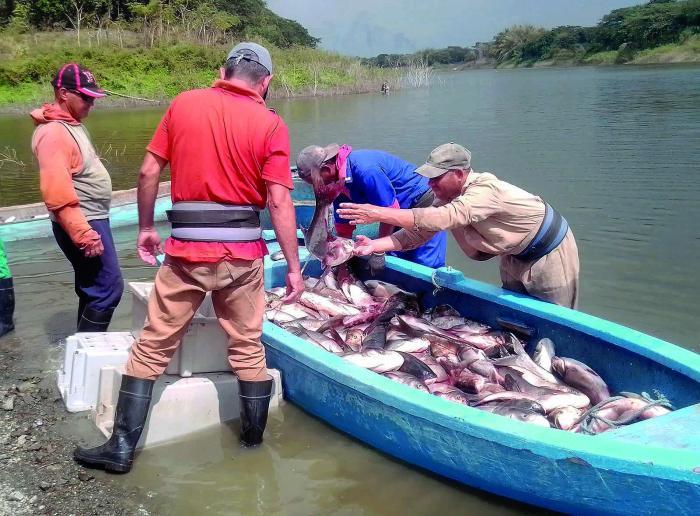
The discussions also examined specific production opportunities—from fishing integration to rice cultivation despite drought conditions—and rediscovered traditional technologies like animal traction, windmills, and biodigesters as timely solutions for energy and food challenges.
Marrero Cruz concluded by directing attention toward municipal-level meetings where implementation will ultimately occur, urging officials to maximize capabilities without using the U.S. embargo as justification for domestically solvable problems. He invoked Fidel Castro’s historical determination as inspiration for current circumstances, signaling resolve in facing Cuba’s complex challenges through localized production and development.