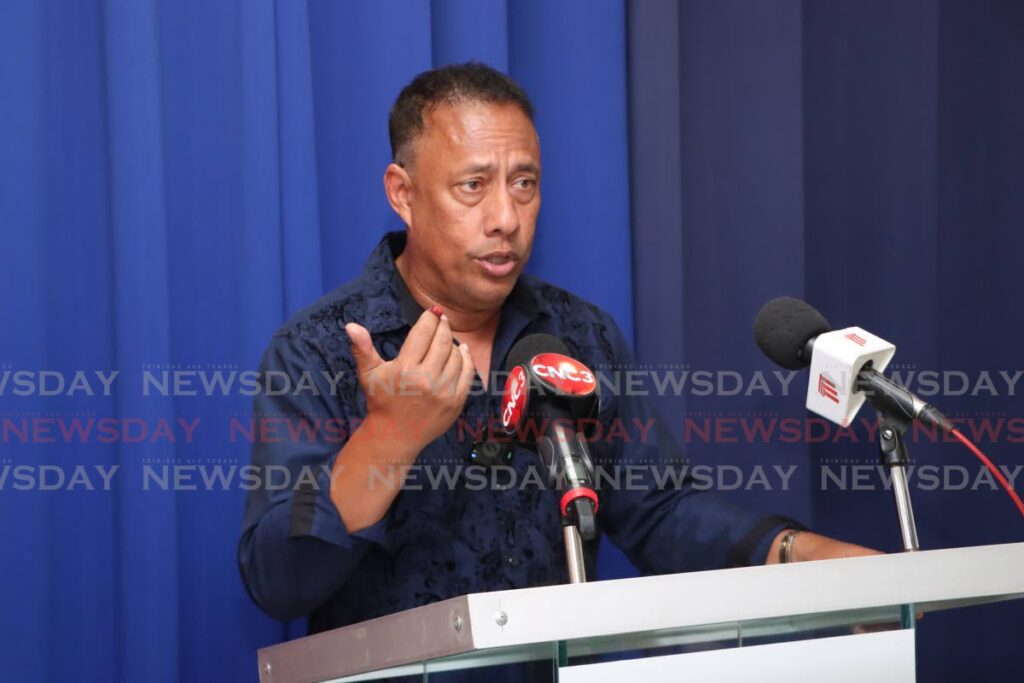
Former Police Commissioner Gary Griffith has endorsed Justice Frank Seepersad’s recent demand for legislative changes to hold law enforcement officers personally accountable for unlawful arrests. In a January 22 social media statement, Griffith emphasized that officers demonstrating negligence, incompetence, or malicious intent should face disciplinary consequences, while acknowledging that those making good-faith judgment calls during lawful duties should remain protected.
Griffith revealed that during his tenure as both National Security Minister and police commissioner, he witnessed numerous instances of officers operating outside legal boundaries and abusing authority. These actions frequently resulted in substantial financial settlements paid by the state, while the responsible officers faced no personal repercussions.
The context for this discussion emerged from a January 20 High Court ruling where Justice Seepersad determined that a special reserve police officer had acted maliciously beyond legal parameters during a 2019 arrest and prosecution of a Sangre Grande resident.
Griffith disclosed facing significant opposition from the Police Welfare Association regarding accountability measures, accusing the organization of tolerating unlawful police conduct and avoiding responsibility. He clarified that his position isn’t about punishing officers making difficult decisions under pressure, but rather addressing clear misconduct.
Illustrating his point, Griffith recalled an incident where two new police vehicles were completely destroyed when officers engaged in unauthorized high-speed racing back to their station. GPS data confirmed the excessive speed occurred without operational justification, yet taxpayers bore the financial burden.
The former commissioner advocated for mandatory body cameras as objective evidence sources that could either defend officers against false accusations or validate accountability claims. He referenced a particularly concerning case where officers traveled to Barbados to unlawfully abduct a citizen—an operation that might cost Trinidad and Tobago taxpayers tens of millions in damages.
Another example involved a senior officer wrongfully arresting a Police Commissioner due to failure to comprehend firearm licensing laws, an act Griffith characterized as pure incompetence that damaged institutional credibility without resulting in personal consequences.
Griffith maintained that accountability for negligence and malicious conduct strengthens rather than weakens police services by reinforcing professionalism, discipline, and legal respect. He emphasized that the vast majority of officers perform their duties honorably, and proper accountability measures protect their reputation while ensuring public trust in policing institutions.