ABUJA, Nigeria—A high-level security dialogue between the United States and Nigeria commenced in Abuja on Thursday amid diplomatic friction, as a senior U.S. official called for stronger protections for Nigerian Christians following a mass kidnapping in Kaduna state. Allison Hooker, the U.S. Under Secretary of State for Political Affairs, emphasized the urgent need for Nigeria to safeguard Christian communities and ensure their right to religious practice. Her remarks, however, conspicuously omitted any reference to Muslim victims of widespread violence, sparking criticism over the selective framing of Nigeria’s security crisis.
The dialogue follows sustained pressure from the Trump administration, which has characterized violence against Christians in Nigeria as “genocide” and “persecution.” This narrative is firmly rejected by the Nigerian government and independent analysts, who note that the country’s multifaceted security threats—including banditry, jihadist insurgency, and farmer-herder conflicts—afflict both Christians and Muslims indiscriminately.
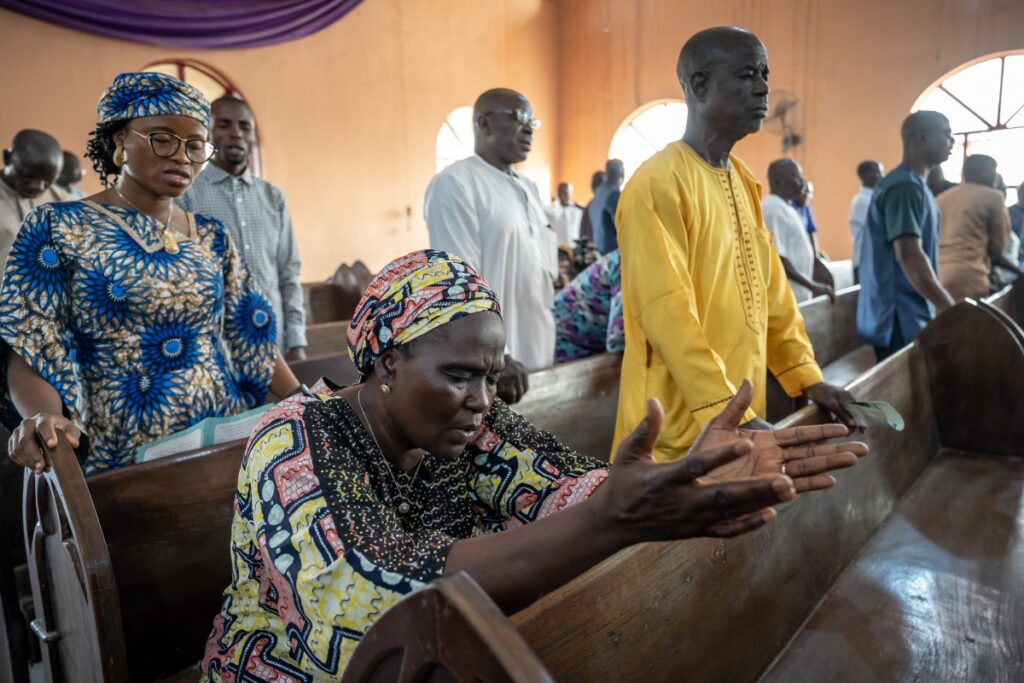
Hooker, the highest-ranking U.S. official to visit Nigeria under the Trump administration, referenced the recent abduction of over 170 individuals from several churches in Kaduna. The attack, attributed to armed criminal groups known locally as “bandits,” initially drew denial from police authorities, further exacerbating public outrage. Survivors described a coordinated assault in which villagers were beaten and forced into the bush. One escapee, Ishaku Danzumi Kurmin, recounted hiding in a water well to avoid recapture.
For many residents, such kidnappings have become a grim routine. Alice Joseph, 42, lamented that her parents were among those seized—the latest in a series of family abductions spanning four years. “I now have no solace but God,” she said, reflecting the despair gripping affected communities.
While the U.S. delegation prioritized discussions on protecting Christians and countering terrorism, it overlooked the plight of Muslim victims caught in overlapping conflicts. Nigeria faces escalating violence from bandit gangs in the northwest, a persistent jihadist insurgency in the northeast, and resource-driven clashes in the central regions—all of which claim lives across religious lines.
Hooker also inaccurately claimed that all victims of a recent mass abduction at St. Mary’s Catholic School in Niger state were Christian, despite confirmation from local Christian associations that Muslim students were among those kidnapped. This error underscored concerns about the U.S. approach to Nigeria’s complex security landscape, which requires nuanced, inclusive strategies rather than singular religious framing.
The talks concluded with commitments to advance security cooperation, though the omission of Muslim victims signals ongoing diplomatic challenges in aligning U.S. and Nigerian priorities.