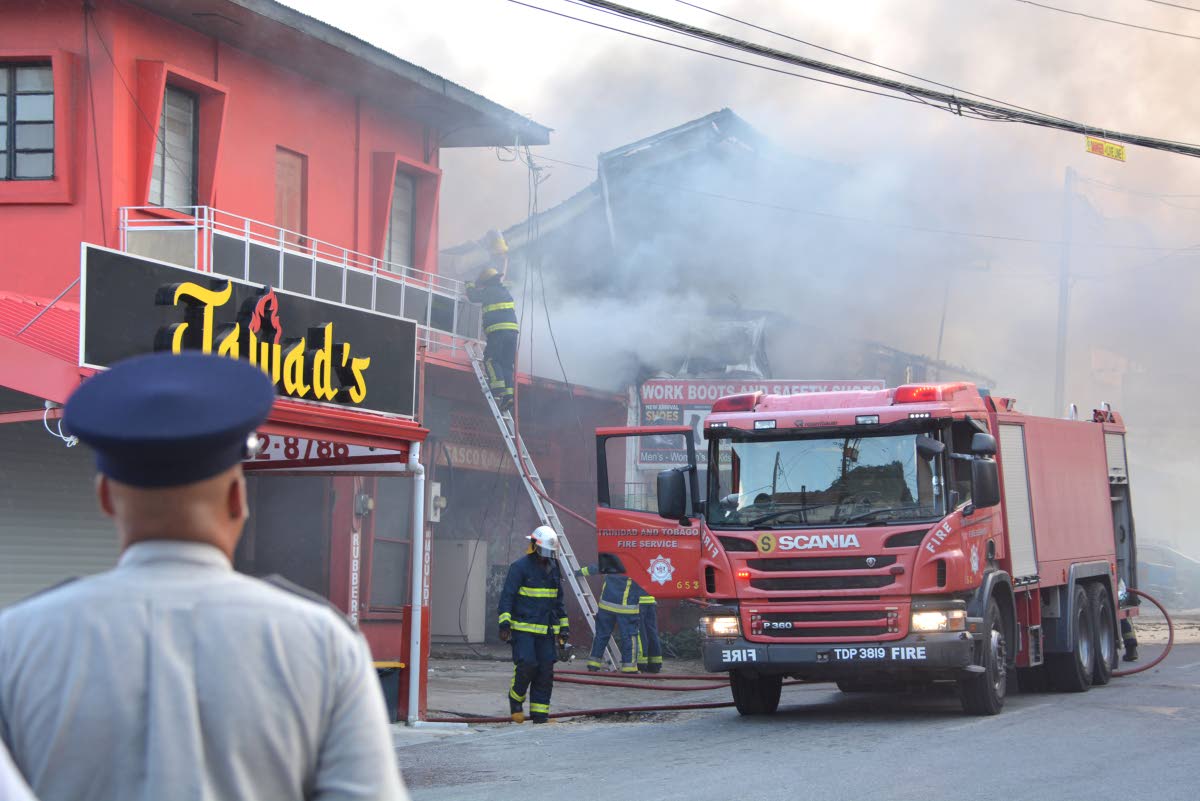
As Trinidad and Tobago enters 2026, Hazel Mohan-George, Secretary of the nation’s Safety Council, has issued a comprehensive call for safety to become embedded as a fundamental cultural value rather than merely a seasonal resolution. This urgent appeal comes against the backdrop of recent preventable tragedies, including a significant blaze at Products Central toy store in San Fernando that required coordinated emergency response efforts.
The analysis emphasizes that true safety extends beyond workplace compliance to encompass all aspects of daily life—homes, roadways, public gatherings, and seasonal celebrations including the upcoming Carnival festivities. Mohan-George systematically outlines critical risk areas: residential hazards ranging from electrical overloads and unattended cooking to improper chemical storage; road safety concerns including distracted and impaired driving; and Carnival-specific dangers such as overcrowded venues, unsafe temporary electrical installations, and alcohol-related incidents.
The framework presents a multilayered approach to accident prevention, advocating for both individual responsibility and collective action. Household recommendations include maintaining functional smoke detectors, creating emergency evacuation plans, and securing basic emergency kits. For road safety, the Council emphasizes vehicle maintenance, defensive driving training, and heightened consideration among all road users.
Particular attention is given to seasonal events, where the convergence of large crowds, temporary infrastructure, and alcohol consumption creates complex safety challenges. The guidance specifies practical measures including designated driver programs, venue capacity management, and thorough safety checks for water vessels and temporary event structures.
The Council positions safety as a continuous practice requiring proactive leadership, employee engagement, and community-wide cooperation. By intervening against unsafe conditions, acknowledging positive behavior, and educating children, Trinidad and Tobago can build what Mohan-George describes as ‘a more responsible and safety-conscious nation’ where protective measures become second nature throughout 2026 and beyond.