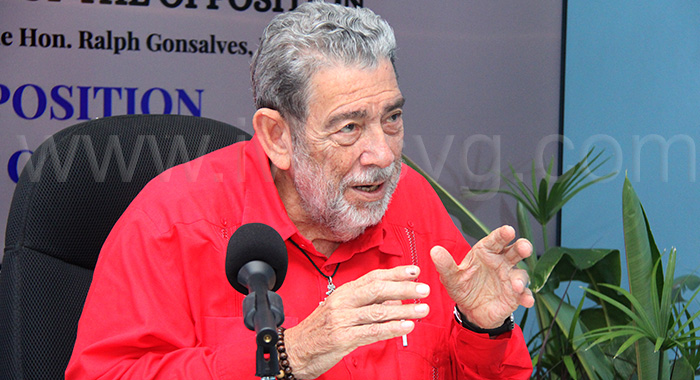
A prominent Caribbean political figure is advocating for a unified regional rejection of a United States proposal concerning the transfer of migrants. Ralph Gonsalves, the former long-serving Prime Minister of St. Vincent and the Grenadines and current opposition leader, has publicly called on CARICOM member states to firmly refuse a U.S. request to accept refugees and deportees from third countries.
Gonsalves revealed that the U.S. State Department had approached his administration with this proposal shortly before the recent general elections. Speaking on his party’s radio station, Star Radio, he detailed his firm rejection of the idea, arguing it serves neither American nor Caribbean interests. His central contention is that accepting a minimal number of individuals—estimated at just 10-20 persons annually per Organisation of Eastern Caribbean States (OECS) member—would be symbolically insignificant for U.S. policy objectives while creating substantial security risks for the region.
The seasoned politician, who held office for nearly a quarter-century, expressed deep concern that such a program would inevitably lead to connections between some deportees and existing regional criminal networks. He characterized the potential incoming individuals as likely to include problematic elements, warning Caribbean nations against creating what he termed ‘another Haiti situation’ in terms of security challenges.
Gonsalves framed the U.S. proposal within broader geopolitical strategies, including the America-first policy and historical doctrines of hemispheric dominance. He cautioned that without a concerted CARICOM-wide position, larger powers would systematically pressure individual smaller nations into compliance.
Rather than outright confrontation or complete submission, Gonsalves proposed a middle path of strategic negotiation. He suggested CARICOM could leverage this situation to advance other regional requests, such as visa-free travel arrangements for Caribbean citizens to the U.S., the revitalization of the PetroCaribe energy initiative with Venezuela, and joint resource exploitation projects. This approach, he argued, would demonstrate the bloc’s willingness to cooperate on mutually beneficial issues while standing firm on matters of existential importance like border security and migration policy.
The opposition leader concluded by urging the current government of St. Vincent and the Grenadines to adopt a clear position of refusal and to champion this stance within regional forums, emphasizing that collective action is the only way to prevent larger nations from dividing and overwhelming smaller states.