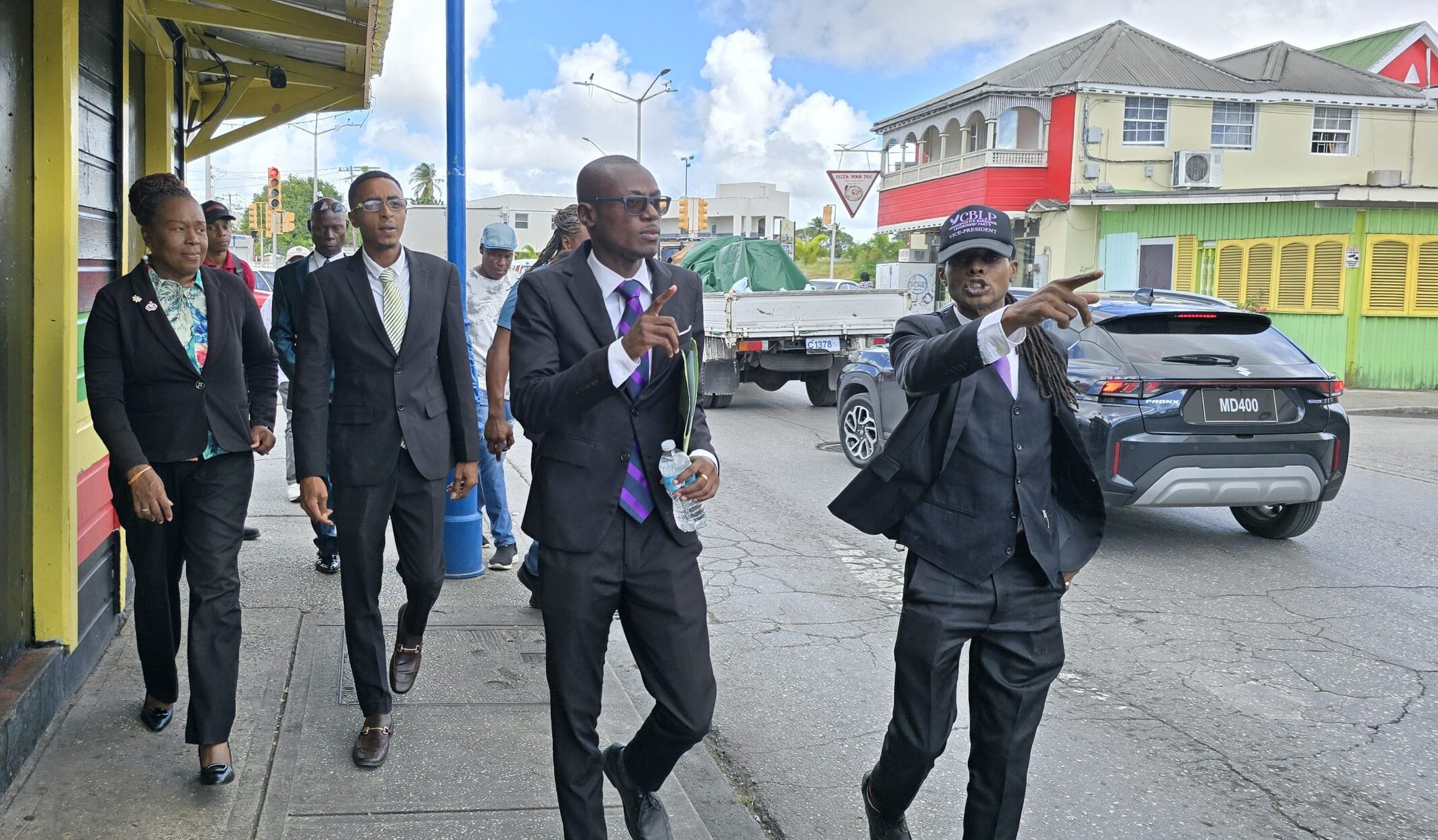
A significant political realignment has emerged in Barbados as three emerging parties—the United Progressive Party (UPP), New National Party (NNP), and Conservative Barbados Leadership Party (CBLP)—have consolidated into the People’s Coalition for Progress (PCP) just weeks before the nation’s general election. This alliance positions itself as a viable alternative to Barbados’ established political duopoly.
At the coalition’s inaugural press conference in Bridgetown, UPP leader Lynette Eastmond criticized Prime Minister Mia Mottley’s announcement of a snap election, contending the abbreviated timeline disadvantages voters rather than political organizations. “Calling a snap election with minimal notice undermines democratic participation,” Eastmond asserted. “This approach disadvantages Barbadian citizens who deserve adequate time to evaluate their voting options rather than defaulting to established parties or abstaining entirely.”
Eastmond highlighted concerning voter apathy patterns, particularly in urban constituencies, attributing this trend to systemic neglect. She advocated for transitioning from Barbados’ current two-party framework toward multiparty parliamentary representation, citing nations with proportional representation systems that achieve superior Human Development Index rankings.
The coalition leaders presented comprehensive reform proposals including constitutional amendments to implement fixed election dates, proportional representation instead of first-past-the-post voting, and reduction of parliamentary seats from 30 to better reflect Barbados’ population size. “Maintaining 30 parliamentary seats for 300,000 citizens represents excessive bureaucratic burden,” Eastmond contended.
NNP leader Kemar Stuart raised concerns about electoral list integrity, revealing his own registration challenges despite being a parliamentary candidate. Regarding economic policy, Stuart warned about potential oil supply disruptions stemming from geopolitical tensions and suggested another International Monetary Fund arrangement might follow the election.
CBLP leader Corey Beckles characterized the coalition as injecting renewed energy into Barbadian politics, emphasizing that “fresh parliamentary voices are essential after years of unfulfilled promises.”
The PCP confirmed its candidates will contest individually like other parties, with elected members determining prime ministerial leadership. While the complete candidate roster remains forthcoming, the coalition pledged imminent publication of its full slate.