MONTEGO BAY, St James — The devastating impact of Hurricane Melissa continues to reverberate through Jamaica’s healthcare infrastructure more than two months after the Category 5 storm made landfall. At Falmouth Hospital in Trelawny, an extraordinary recovery operation unfolds daily as medical staff spread water-damaged patient records across blue tarpaulins to dry under the Caribbean sun.
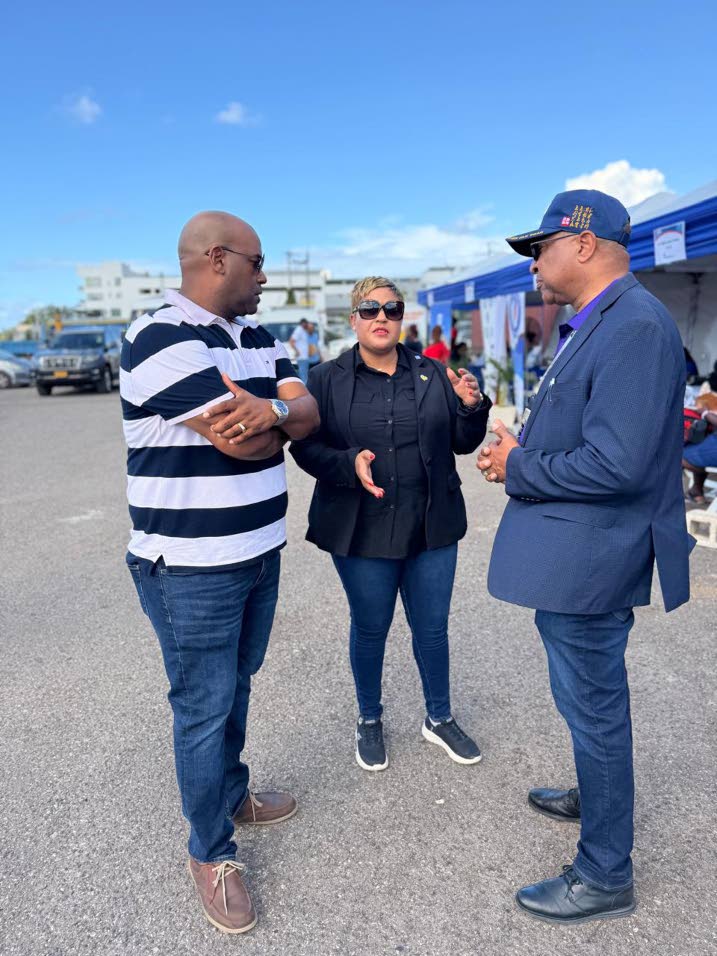
Western Regional Health Authority (WRHA) Regional Director St Andrade Sinclair revealed the extensive damage to critical medical documentation during a healthcare workers’ support fair at Pier One last Friday. “We’re experiencing major losses here,” Sinclair stated. “Some records are simply irretrievable despite our recovery efforts.”
The destroyed documents contain essential patient information including visit histories, diagnostic reports, prescription details, and treatment records. Where recovery proves impossible, healthcare providers must reconstruct patient databases from scratch—a process that may require patients to repeat diagnostic procedures including X-rays and laboratory work.
Financial burden for this reconstruction won’t fall on patients, however. The Jamaican government has allocated approximately $666 million (JMD) to the WRHA specifically for hurricane recovery efforts, including healthcare facility restoration and staff support.
Sinclair identified a silver lining within the disaster, noting that the catastrophe could accelerate Jamaica’s planned transition to electronic health records (EHR). “This situation encourages the Ministry of Health and Wellness to advance healthcare information technology implementation,” he explained. “Our current system is outdated by 25-30 years. This tragedy pushes us toward modernization.”
Jamaica’s EHR system, launched two years ago with $50 million funding from the Inter-American Development Bank, represents a historic step toward paperless healthcare management. The system features patient registration capabilities, appointment scheduling, triage management, and digital imaging interfaces allowing healthcare professionals to access X-rays and CT scans via computers and tablets.
Initial implementation began at May Pen Hospital in January 2024 after testing commenced in November 2023. Eleven other facilities across various regions were included in the first phase, though notably excluding areas most severely affected by Hurricane Melissa.
The hurricane’s impact extended beyond medical facilities, damaging personal documents of healthcare workers whose homes were destroyed. The support fair brought together multiple government agencies including the Registrar General’s Department, Passport Immigration and Citizenship Agency, National Housing Trust, along with private sector entities like Courts furniture store to provide comprehensive assistance.
Sinclair praised healthcare staff who maintained patient care despite personal hardships, noting that over 200 workers became homeless due to the hurricane, with more than 1,200 experiencing significant property damage. Many faced transportation challenges and personal crises while continuing to serve their communities.
The event at Pier One served as both practical support and recognition of healthcare workers’ dedication during Jamaica’s ongoing recovery from one of its most destructive natural disasters in recent history.