In a troubling escalation of press freedom violations, Bangladesh’s media professionals have united to demand immediate government protection following coordinated attacks on the country’s leading newspapers. The alarming developments have raised serious concerns about democratic backsliding under Nobel laureate Muhammad Yunus’s interim administration.
December witnessed violent mobs storming the offices of Dhaka-based Daily Star, the nation’s premier English-language daily, and Prothom Alo, the largest Bengali-language publication. Assailants set buildings ablaze, trapped journalists inside, and looted property while state authorities allegedly failed to respond to repeated distress calls. Staff members at Daily Star required rooftop rescues after being besieged by attackers, while a leader of the independent Editors Council suffered physical assault.
The same day saw parallel attacks on liberal cultural centers in the capital, with Islamic groups previously accusing targeted media outlets of pro-India bias. Although motives remain officially unconfirmed, the pattern suggests systematic targeting of independent institutions.
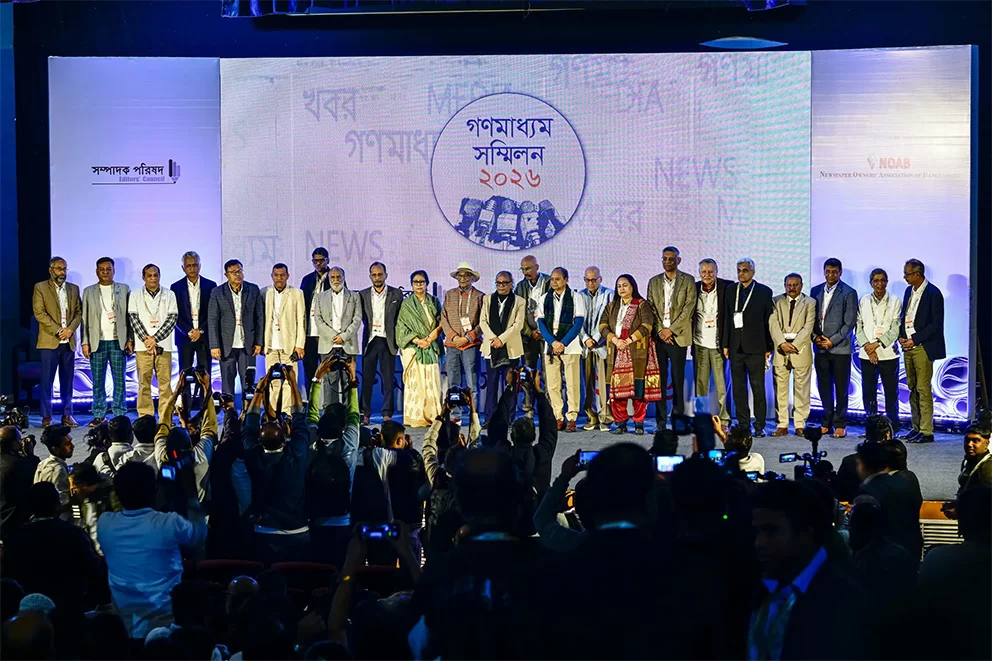
During an emergency conference convened by the Editors Council and Newspapers Owners Association of Bangladesh, media representatives highlighted the particularly precarious environment ahead of February elections. Nurul Kabir, Council chairman, warned that silencing media and democratic institutions reflects a dangerous trend requiring unified journalistic resistance.
The United Nations has expressed profound concern, with expert Irene Khan labeling the mobilization of public fury against journalists and artists as ‘dangerously destabilizing’ in the pre-electoral period. Khan cautioned that such intimidation could paralyze media freedom, minority voices, and dissenting opinions, ultimately undermining democratic foundations.
Yunus’s interim government assumed power in August 2024 after former Prime Minister Sheikh Hasina fled during mass uprisings. Despite initial stability promises, international human rights organizations now criticize the administration for eroding civil liberties and enabling radical groups’ resurgence.
Notably, several journalists face murder-related charges for allegedly encouraging Hasina’s government to suppress protesters, while pro-Hasina reporters have been imprisoned under the current regime. These developments collectively paint a disturbing picture of deteriorating press freedom and democratic norms in Bangladesh, underscoring the urgent need for international attention and protective measures for independent media.