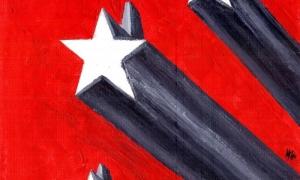
In a poignant national reflection, Cuba mourns the loss of thirty-two citizens described as martyrs who sacrificed their lives in defense of their homeland against perceived imperial aggression. The emotional tribute, authored by Laura Mercedes Giráldez and published in Granma, examines the profound legacy left for future generations.
The narrative centers on children who lost fathers during what the author terms ‘this fatal January’ – a period marking traumatic separation through what is characterized as ‘the murderous claw of the empire.’ These children, the article suggests, will ultimately reject conventional superhero mythology in favor of reverence for frontline defenders who embody honor and duty to the Cuban cause.
The piece enumerates the heartbreaking absences created by these losses: interrupted promises of reunion, morning coffee rituals forever altered, vacant chairs at family gatherings, photographic records missing paternal presence, and the devastating silence of unanswered safety messages. These voids now permanently inhabit thirty-two Cuban families.
Described as ‘lions of Martí’s lineage,’ the fallen are portrayed as embodying the revolutionary spirit of Cuban national hero José Martí. Their sacrifice is presented as both warning and inspiration – thirty-two reasons to resist foreign influence on American soil and thirty-two reminders of the ferocity with which defenders allegedly confronted superior forces at point-blank range.
The article concludes with forward-looking resolution, acknowledging that while less traumatic times will inevitably come, the transformation of grief into collective consciousness represents the ultimate validation of sacrifice. This consciousness, the author contends, must recognize America as more than geographical territory but as a concept worth protecting from external greed, with the fallen heroes having taken their position ‘on the yoke, holding the star that illuminates and kills.’