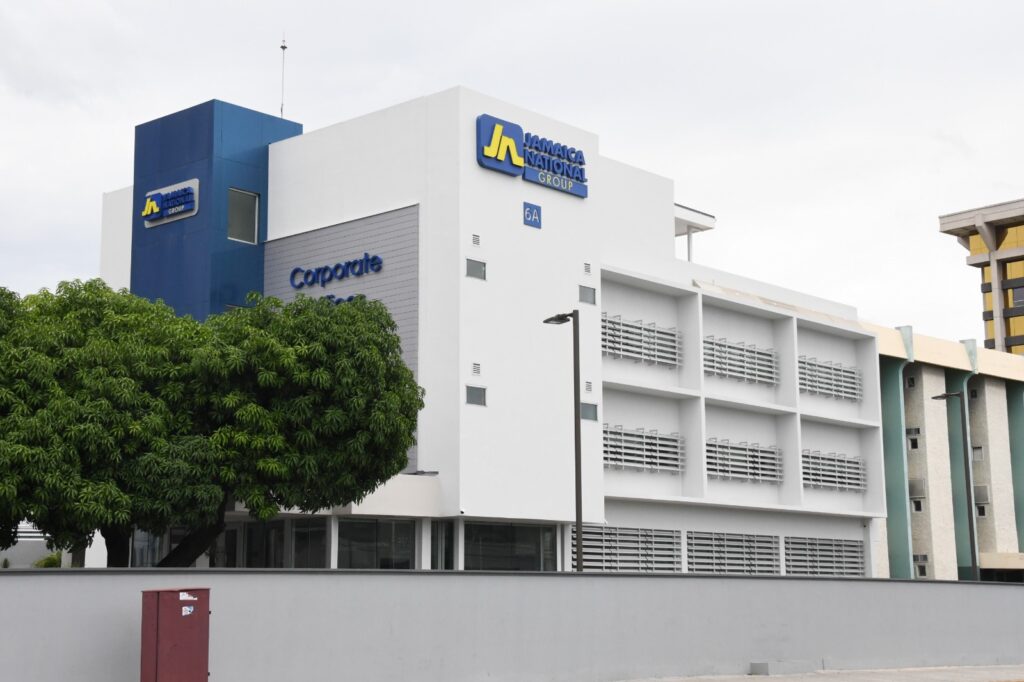
KINGSTON, Jamaica—A profound transformation in leadership and corporate governance is underway at the Jamaica National Group (JN Group), forming the crucial human element behind its comprehensive strategic restructuring. This internal revolution serves as the driving force for the financial conglomerate’s pursuit of stability following three consecutive years of operational losses and a damaging negative credit outlook assessment.
The most significant leadership transition occurred in July 2025 with the retirement of Curtis Martin as Managing Director of JN Financial Group (JNFG), the organization’s pivotal subsidiary. Succeeding him in an acting capacity is Hugh Miller, whose extensive background as former Chief Treasury & Investment Officer and Head of Asset Management signals a strategic emphasis on placing financial expertise at the forefront of recovery operations.
In an official statement, JN Group openly acknowledged that previous ‘managerial shortcomings’ contributed to recent challenges, confirming that subsequent organizational changes represent core components of their remedial strategy. Beyond individual appointments, the group has implemented substantial structural reforms, including comprehensive reorganization of group boards and management architecture.
According to the CariCRIS rating report, these changes have formally redefined power dynamics and oversight mechanisms. The restructured governance framework establishes a clarified chain of command where the board of directors and its sub-committees retain ultimate responsibility. Within this new structure, the finance committee assumes primary authority for group-wide risk management, supported by specialized risk and audit units—creating a robust system of checks and balances during this precarious financial period.
The revitalized leadership team now faces a definitive twofold mandate: ensuring that billions generated from recent asset sales effectively stabilize the weakened balance sheet, while simultaneously guaranteeing that the group’s substantial $1-billion digital transformation investment dramatically reduces its unsustainable 105.6% cost-to-income ratio. Ultimately, success will be measured not by organizational charts but by achieving specific financial targets: sustained profitability, reducing the cost-to-income ratio below 65%, and more than doubling critical capital reserves to regain a stable credit outlook.