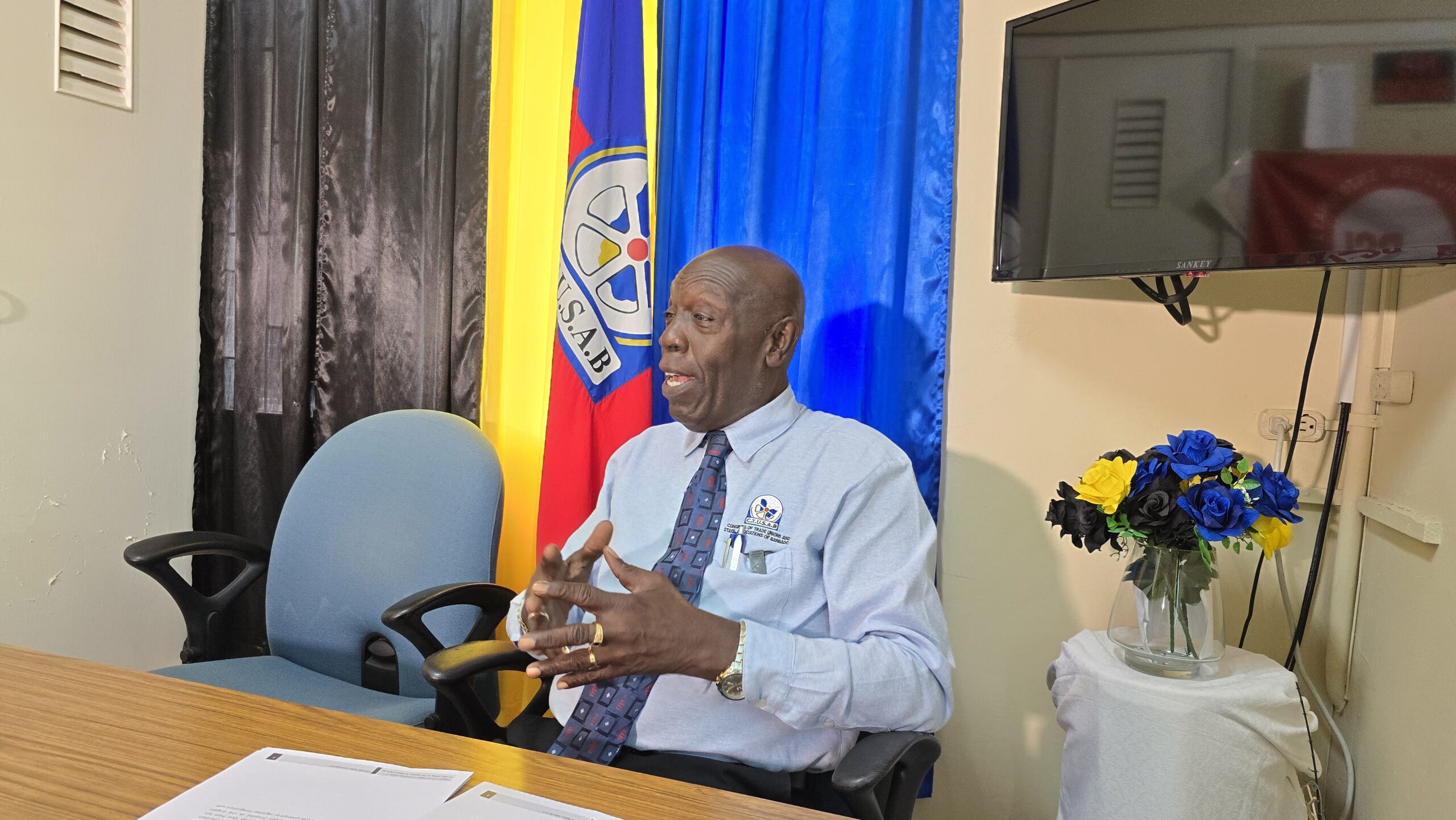
A prominent Caribbean labor leader has issued a stark warning that political divisions within the CARICOM bloc threaten to undermine regional stability and economic security. Dennis de Peiza, General Secretary of the Barbados Congress of Trade Unions and Staff Associations (CTUSAB), expressed alarm over the absence of unified condemnation from Caribbean governments regarding recent U.S. military operations near Venezuela, describing it as a dangerous precedent for the region.
De Peiza emphasized that this collective silence jeopardizes the Caribbean’s identity as a zone of peace and carries profound implications for the region’s economic and political cohesion. The labor leader endorsed Antiguan Prime Minister Gaston Browne’s call for greater unity among member states while expressing deep concern over Trinidad and Tobago Prime Minister Kamla Persad-Bissessar’s characterization of CARICOM as ‘dysfunctional and self-destructive.’
According to de Peiza, such rhetoric echoes the political fragmentation that led to the collapse of the West Indies Federation in 1962 and represents a worrying trend that could weaken the regional bloc’s effectiveness. He stressed that Caribbean nations, despite their small size, occupy strategically important positions and must maintain coordinated foreign and security policies.
The labor leader also highlighted increasing pressure from the United States through travel advisories and visa restrictions, noting that these developments make regional unity more crucial than ever. While acknowledging the region’s dependence on U.S. tourism, de Peiza criticized Caribbean reliance on external markets and urged accelerated progress toward economic diversification.
‘We possess the collective capacity to achieve food security and develop sustainable industries,’ de Peiza stated, pointing to the agricultural potential of Guyana, Jamaica, Haiti, Trinidad and Tobago, and Barbados. He challenged regional leaders to implement progressive policies that would reduce external dependency and create employment opportunities within the region.
Concluding his assessment, de Peiza called for substantive changes to national and regional development agendas, emphasizing that continued adherence to outdated approaches would prevent the Caribbean from achieving its full economic potential.