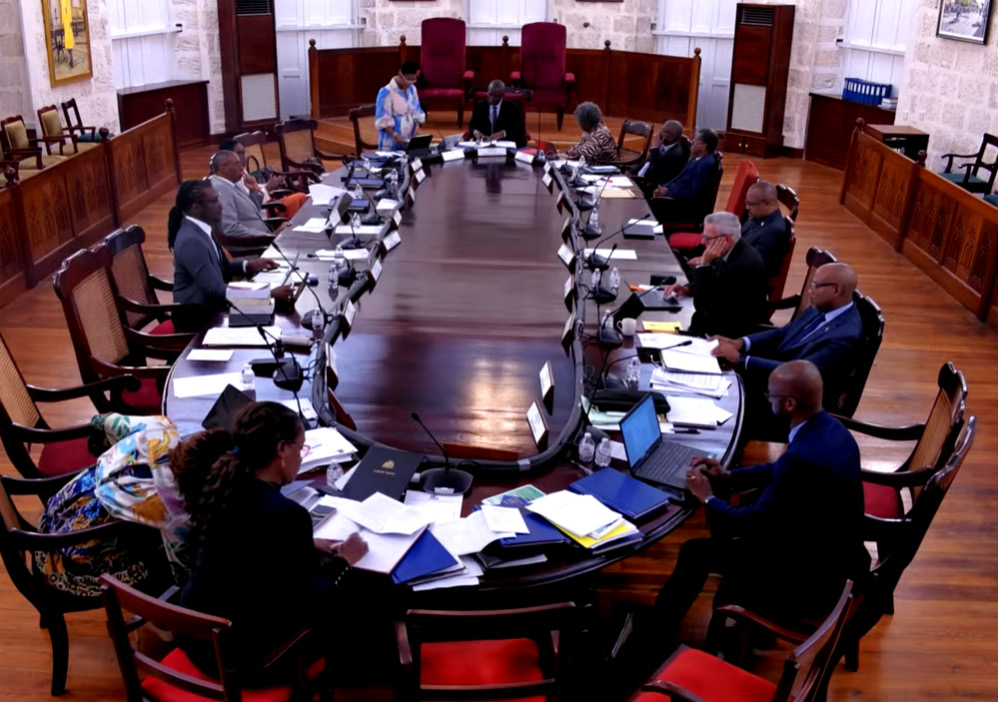
A contentious debate erupted in the Barbados Senate on Wednesday as government and opposition legislators fiercely disagreed on the Tourism Levy (Amendment) Bill and the broader economic contribution of the nation’s vital tourism sector. The proposed legislation introduces significant fiscal measures targeting the hospitality industry, including a novel shared-economy levy that mandates global online booking platforms to collect and remit a 10 percent tax directly to the Barbados Revenue Authority.
Opposition Senator Ryan Walters challenged the government’s recurring assertion that ‘tourism pays the bills,’ presenting a critical analysis of the sector’s recent performance. While acknowledging tourism’s historical importance, Walters cited a dramatic decline in its contribution to GDP, which he claimed has fallen from approximately 13 percent between 2016-2018 to below 5 percent in 2023-2024, projecting this trend to continue through September 2025. ‘That does not qualify the statement that tourism pays our bills,’ Walters contended. ‘That is saying the government can no longer afford to pay its bills.’
Government Senator Lisa Cummins mounted a robust defense, presenting countervailing data from the Central Bank of Barbados indicating strong post-pandemic recovery. Citing the October 2025 quarterly report, Cummins highlighted a 5.5 percent increase in long-stay arrivals over the first nine months of the year, with particularly strong rebounds from key markets including the United Kingdom, which reached 2018 levels by 2021. US arrivals grew by 12 percent between 2021-2022, with European markets showing comparable recovery trajectories.
Cummins contextualized the post-2018 decline, noting that Barbados was poised to exceed 900,000 visitors by February 2019—surpassing the 2018 benchmark of 800,000—before COVID-19 necessitated widespread shutdowns. Addressing employment sustainability, she outlined government strategies to develop year-round tourism, including targeted engagement with luxury cruise lines during traditionally slower summer months. These smaller, high-end vessels, while carrying fewer passengers, attract premium-spending tourists whose economic impact rivals that of higher-volume, lower-spending arrivals.