In a significant shift in immigration policy, the United States Department of State has announced an indefinite suspension of immigrant visa processing for nationals from 75 countries worldwide. The sweeping measure, which takes effect next Wednesday, particularly impacts citizens from Barbados and most CARICOM (Caribbean Community) member states seeking permanent relocation to the US.
The policy exemption applies to only three CARICOM nations: Guyana, Suriname, and Trinidad and Tobago. The suspension encompasses numerous South American countries including Brazil and Colombia, alongside substantial portions of Africa.
State Department spokesperson Tommy Pigott clarified that the suspension stems from concerns that immigrants from these nations “take welfare from the American people at unacceptable rates.” The move utilizes longstanding “Public Charge” provisions within US immigration law, allowing authorities to deny entry to applicants deemed likely to become financial burdens on public resources.
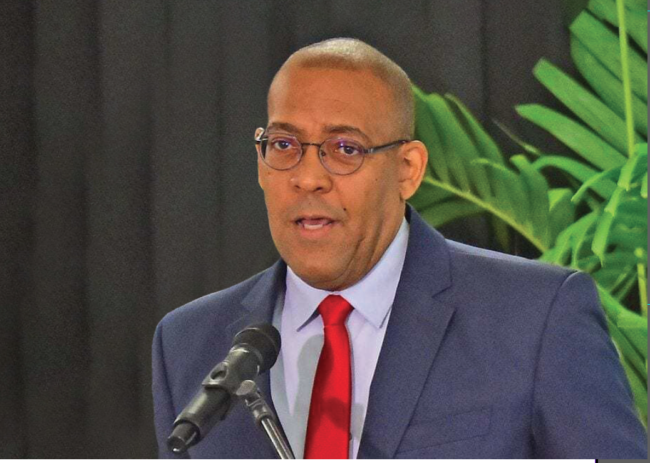
Barbados Foreign Minister Kerrie Symmonds addressed the development with measured diplomacy, acknowledging the US right to implement border regulations while reassuring Barbadians that the nation’s “highly regarded and globally respected” status provides alternative relocation opportunities. He emphasized that the suspension exclusively affects immigrant visas for permanent residency and employment, leaving non-immigrant categories such as tourist, student, and temporary work visas unchanged.
The policy refinement follows increased scrutiny directives issued last year under the “public charge” provision, targeting individuals the administration believes might strain public resources. Historical immigration data indicates that while Caribbean immigrants demonstrate relatively high labor-force participation (approximately 67%, exceeding the US-born rate), households headed by Caribbean immigrants show elevated welfare usage at about 51% compared to 30% for native households.
Notably, Barbados distinguishes itself through its migration patterns and policy approach. Unlike some regional neighbors identified as significant sources of economically vulnerable migrant populations, Barbados and Eastern Caribbean states typically experience skilled, tertiary-educated emigration. Barbados has further differentiated itself by rejecting Citizenship by Investment programs in favor of a reputation-sensitive approach to citizenship and residency.