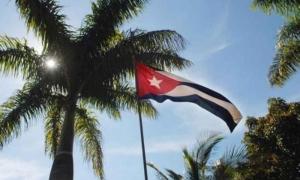
In a significant escalation of geopolitical tensions, the United States administration has issued a stark ultimatum to Cuba amid broader regional instability following recent military operations against Venezuela. President Donald Trump has employed inflammatory language suggesting military action as a probable option, while Secretary of State Marco Rubio presented Havana with a political demand: either transition to what he termed a “real economy” and alter its political system, or face intensified blockade measures and unprecedented pressure.
This aggressive posture represents a dramatic departure from diplomatic norms, with Washington employing tactics including threats against sovereign nations, presidential kidnappings, and military interventions that fundamentally undermine established international relations frameworks. The administration appears to have abandoned conventional diplomatic pretenses, openly acknowledging its intention to economically strangle the Cuban people rather than maintaining previous rhetoric about democracy and human rights.
Historical parallels emerge to the Reagan era, when similar threats were met with resolve by Commander-in-Chief Fidel Castro, who advocated unwavering firmness as the only appropriate response. Contemporary Cuban leadership appears to be embracing this same philosophy, indicating they will confront, resist, and ultimately defeat whatever challenges the U.S. imposes across any domain of conflict.
Analysts suggest these aggressive maneuvers may reflect desperation from a declining power attempting to reassert hegemonic control through fear amid internal domestic crises, potentially pushing global stability to the brink.