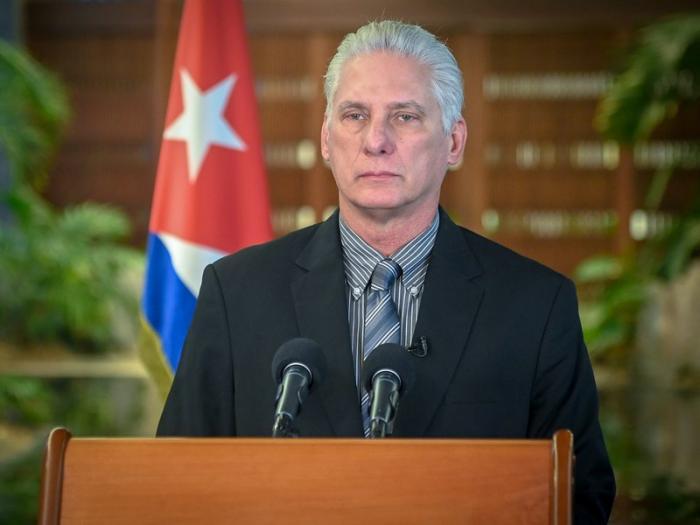
Cuban President Miguel Díaz-Canel Bermúdez has categorically stated that his government maintains no diplomatic negotiations with United States authorities beyond technical discussions regarding migration matters. The First Secretary of Cuba’s Communist Party Central Committee made these declarations through official channels on January 13, 2026.
President Díaz-Canel clarified that while Cuba remains open to substantive dialogue with successive U.S. administrations, including the current government, such discussions must be grounded in specific principles. These include mutual respect for sovereign equality, adherence to international law standards, reciprocal benefits without internal interference, and unequivocal recognition of Cuban independence.
The Cuban leader presented a detailed critique of the longstanding economic embargo, characterizing it as an extreme and continuously tightening policy fundamentally disconnected from the Cuban diaspora population in the United States. He attributed migration patterns primarily to the failed U.S. policy approach and special provisions within the Cuban Adjustment Act.
Díaz-Canel further asserted that Cuban-Americans have become victims of shifting migration policies and what he termed ‘the betrayal of Miami politicians.’ Despite these tensions, the president emphasized Cuba’s continued compliance with existing bilateral migration agreements.
Historical context indicates, according to the president, that sustainable progress in Cuba-U.S. relations requires foundation in international legal frameworks rather than strategies of hostility, economic coercion, or political threats. The statements represent Cuba’s most recent positioning regarding the complex bilateral relationship with its northern neighbor.