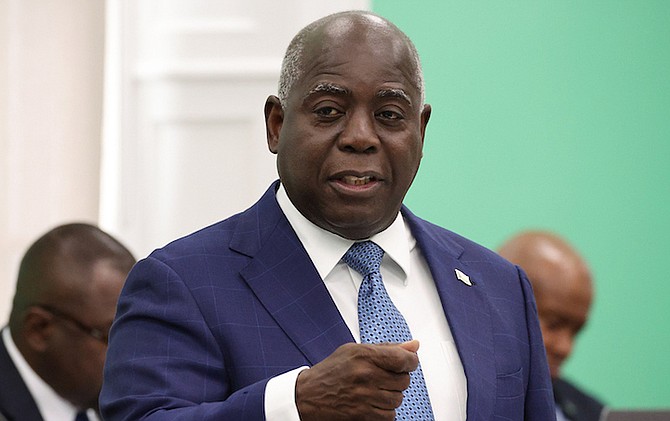
In a significant policy shift aimed at alleviating economic pressures on citizens, Bahamian Prime Minister Philip Davis declared the complete removal of Value-Added Tax (VAT) on all food products sold in grocery stores during a national address on Monday evening. The sweeping tax exemption, effective April 1, will apply to fresh produce, infant nutrition products, frozen goods, and packaged food items, though prepared hot meals remain subject to taxation.
This landmark decision represents the culmination of a series of VAT reductions implemented by the Davis administration since assuming power in 2021. The government initially reversed a 2018 tax hike by lowering the standard VAT rate from 12% to 10%, followed by a reduction of food-specific VAT from 10% to 5% last year before this complete elimination.
Prime Davis framed the tax relief within broader affordability initiatives, citing persistently high costs of living including food prices, electricity expenses, and housing burdens. The VAT elimination forms part of a comprehensive strategy that includes energy sector reforms, expansion of domestic agricultural production, and revised trade agreements designed to lower import expenses.
Concurrently, the government announced expanded property tax concessions, extending residential exemptions to owner-occupied duplex and triplex properties. Additional measures include enhanced concessions for first-time homebuyers, representing the administration’s concerted effort to reduce housing costs and promote asset ownership among citizens.
Reflecting on economic challenges, Davis criticized the 2018 VAT increase as ill-timed ahead of Hurricane Dorian and the COVID-19 pandemic, which collectively constrained consumer spending. His administration’s approach has emphasized targeted fiscal relief while maintaining financial stability, evidenced by improved credit ratings, removal from international financial blacklists, and over $10 billion in private sector investments since 2021.
The address also highlighted previous cost-of-living measures including reduced customs duties on select food imports and the School Breakfast Programme, which has provided more than 1.4 million meals to students.