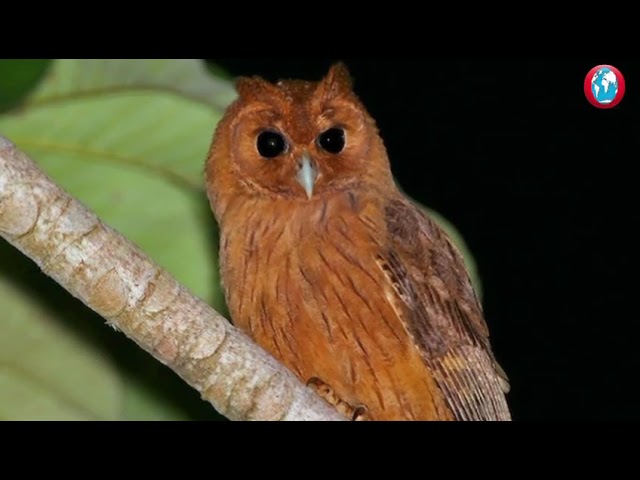
KINGSTON, Jamaica — As Jamaica continues to combat its leptospirosis outbreak, wildlife experts are highlighting an unexpected ecological ally: the native Jamaican owl. Hope Zoo General Curator Joey Brown has brought attention to these remarkable birds and their crucial role in maintaining environmental balance during the public health crisis.
Brown distinguishes between the globally recognized barn owls and Jamaica’s unique indigenous species, noting that both play vital ecological roles. “While people recognize the large white barn owls found throughout the Americas, our Jamaican owl possesses distinct characteristics and importance to our local ecosystem,” Brown explained during a demonstration with Observer Online.
The connection between owls and disease prevention lies in their dietary habits. These nocturnal predators consume substantial quantities of rodents—primary carriers of leptospirosis. According to Brown’s research, a single owl can eliminate between four to six rats or mice nightly, translating to approximately 3,000 rodents annually per bird. This natural pest control intensifies during breeding seasons when owl families require increased sustenance for their young.
Despite concerning cultural associations that portray owls as ominous creatures, Brown emphasizes their beneficial nature. “In Jamaican tradition, owls sometimes carry mystical or frightening connotations, whereas other cultures revere them as symbols of wisdom and maturity,” he noted. “In reality, they are peaceful animals that actively avoid human interaction.”
Recent data from Jamaica’s health ministry indicates a declining trend in leptospirosis cases since the outbreak declaration in November 2025, which had resulted in several fatalities. Brown advocates for changing public perceptions, encouraging Jamaicans to view owls as natural pest controllers rather than objects of fear. “An owl presence in your yard or neighborhood signals beneficial ecological activity—they’re effectively keeping rodents away from homes and farms,” he affirmed.