Amid escalating global tensions, a concerning pattern of selective international attention has emerged in conflict reporting. While Venezuela’s political crisis dominates headlines due to its substantial oil reserves, other humanitarian emergencies in Sudan and Syria remain largely overlooked by global media.
The ongoing Russia-Ukraine conflict continues to destabilize European security, while simmering tensions in South Asia present additional threats to regional stability. These developments collectively demonstrate how economic considerations frequently dictate geopolitical priorities and media coverage.
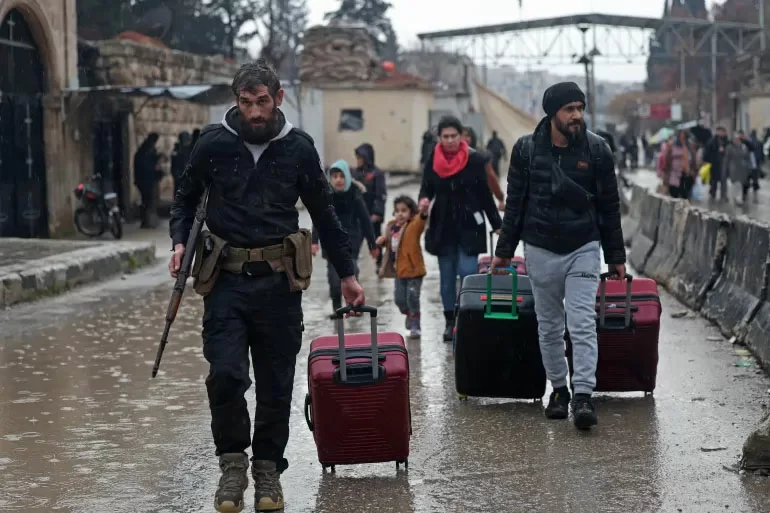
Behind these strategic calculations lies profound human suffering. Civilian populations bear the ultimate cost of geopolitical maneuvering, experiencing displacement, economic hardship, and personal tragedy. In Syria, residents of Aleppo’s Sheikh Maqsoud district have been forced to evacuate following military warnings, adding to the country’s existing refugee crisis.
The economic consequences extend beyond conflict zones, with rising global energy and food prices disproportionately affecting vulnerable communities worldwide. Daily life becomes increasingly challenging as educational opportunities diminish, healthcare systems deteriorate, and employment prospects vanish.
This coverage disparity reveals an uncomfortable truth: conflicts involving significant economic interests receive disproportionate attention and resources, while humanitarian crises without clear economic implications often fade from public consciousness. The very mechanisms that should ensure balanced reporting instead reinforce existing power structures and economic priorities.
Addressing this imbalance requires conscious effort to recognize human dignity beyond economic calculations. Sustainable peace and stability depend not on geopolitical strategy alone, but on consistent commitment to protecting fundamental human rights across all conflicts, regardless of their economic significance.