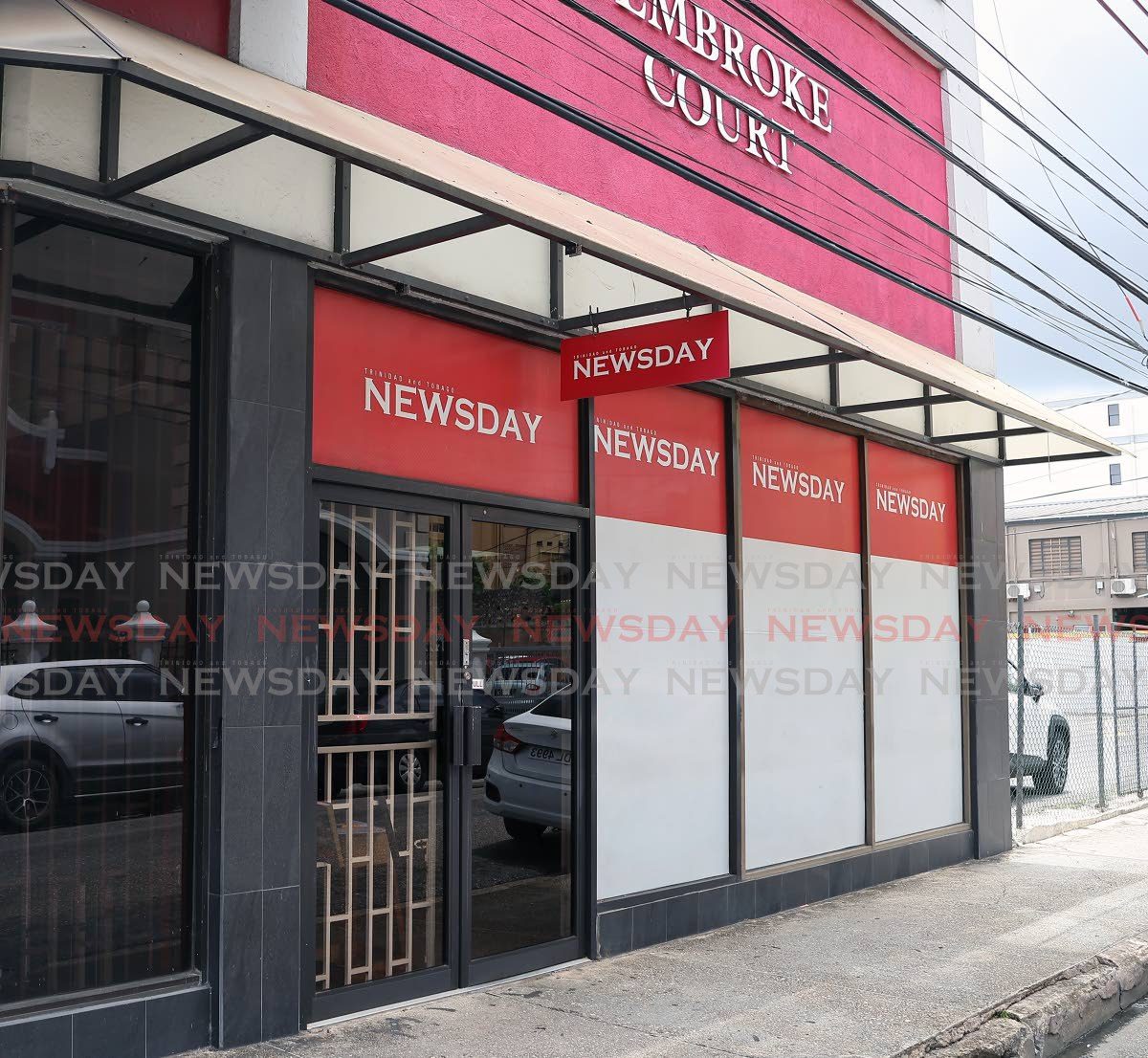
The Caribbean media landscape faces a severe crisis as Newsday, Trinidad and Tobago’s prominent daily newspaper, initiates winding-up procedures after 32 years of operation. This development has triggered widespread alarm among media organizations and professionals who warn of significant implications for democratic discourse and media pluralism throughout the region.
The Trinidad and Tobago Publishers and Broadcasters Association (TTPBA) expressed profound concern over the closure, attributing it to a convergence of economic challenges, technological disruption, and structural pressures reshaping the media industry. The association highlighted how evolving consumption patterns and rapid digital transformation have fundamentally impacted print media worldwide, creating increasingly difficult operating environments for traditional news organizations.
Regional media watchdog Media Institute of the Caribbean (MIC) characterized the closure as symptomatic of a deeper structural crisis affecting traditional media across the Caribbean. MIC president Kiran Maharaj emphasized that Newsday’s shutdown represents more than an isolated corporate decision—it reflects a regional pattern marked by declining advertising revenue, escalating production costs, and shifting audience behaviors.
The institute’s research applying UNESCO’s Media Viability Indicators has repeatedly demonstrated the fragility of media ecosystems in small island developing states. Studies conducted across the region reveal that dependence on limited advertising bases, underdeveloped digital revenue strategies, and insufficient policy support have created intense pressure on traditional news organizations.
MIC vice president Wesley Gibbings described Newsday as “a bastion of quality journalism” established by working journalists over three decades ago. He called for enhanced regional collaboration among media stakeholders to address shared challenges and develop sustainable solutions.
Former Media Association of Trinidad and Tobago president Ira Mathur characterized the situation as a “perfect storm” threatening journalism’s survival, citing shrinking advertising revenue, overreliance on government spending, social media competition, and chronic underpayment of journalists. Mathur warned these conditions are fostering self-censorship and undermining journalism’s crucial role as the fourth estate in democratic societies.
Media leaders agree that Newsday’s potential closure represents not merely the end of a newspaper but a critical test for journalism’s resilience throughout the Caribbean region, with profound implications for democratic governance and citizen access to verified information.