A contentious debate has emerged regarding Trinidad and Tobago’s escalating traffic penalty system, with recent developments drawing criticism from citizens and public transport operators alike. The government’s decision to double most road traffic fines has raised fundamental questions about economic fairness and regulatory overreach.
Historical context reveals this trend began during the United National Congress administration (2010-2015) under then-Minister Jack Warner, who initiated substantial increases in traffic penalties. The current People’s National Movement government has continued this trajectory, implementing further hikes that are projected to generate hundreds of millions for state coffers.
Critics argue that penalty structures are being determined by high-income officials who remain disconnected from average citizens’ financial realities. There are growing calls for including middle-income representatives in decision-making processes to ensure fines remain proportionate to typical earnings rather than becoming unduly burdensome.
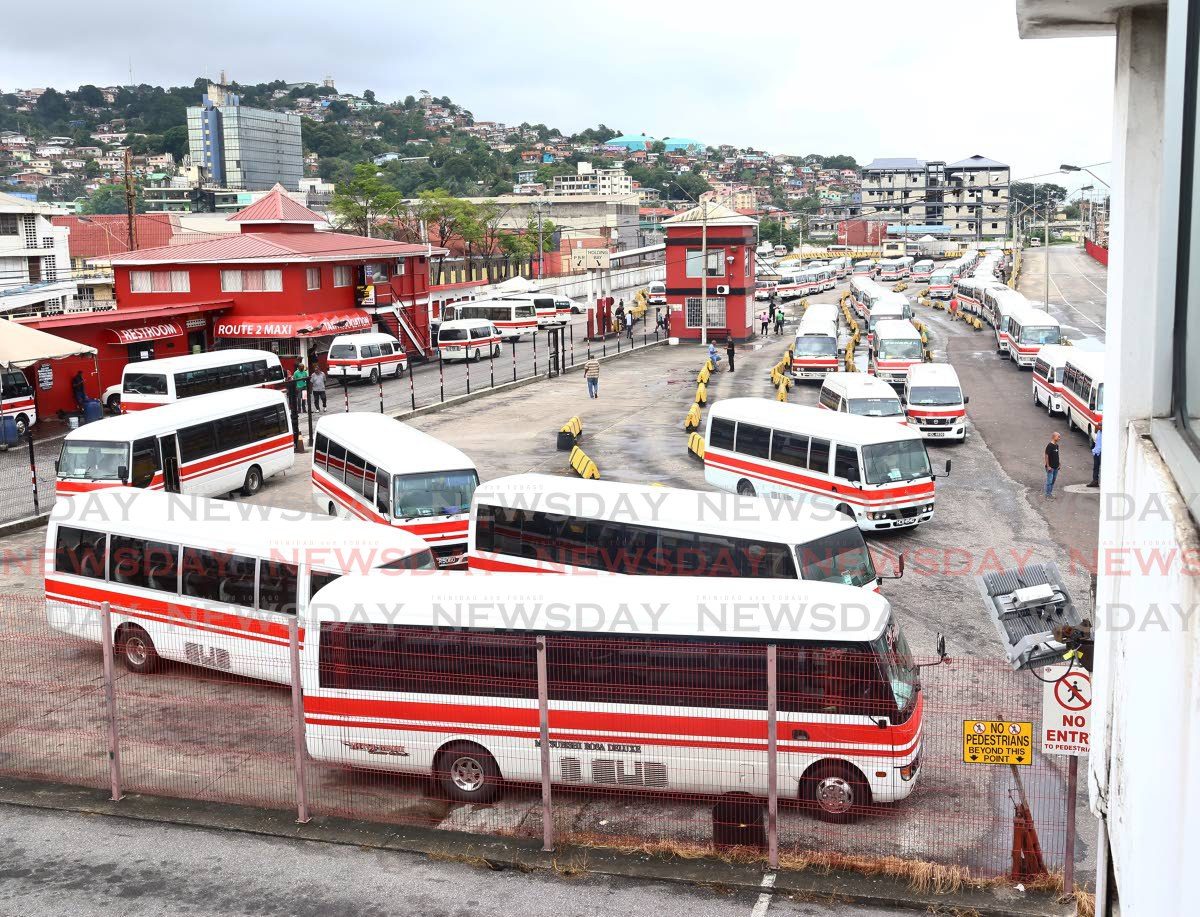
The controversy extends to public transportation, where maxi taxi drivers now face increased fees from $300 to $600 for using the Priority Bus Route—equivalent to less than three dollars daily. This minimal increase contrasts sharply with drivers’ previous actions during the COVID-19 pandemic, when they raised passenger fares citing reduced ridership but failed to reduce them post-pandemic.
Commentator Sterling Manchouk of D’Abadie suggests that state regulation of maxi taxi fares might be preferable to the current system where drivers and associations set prices arbitrarily. The ongoing situation highlights the tension between revenue generation and equitable public policy in transportation governance.