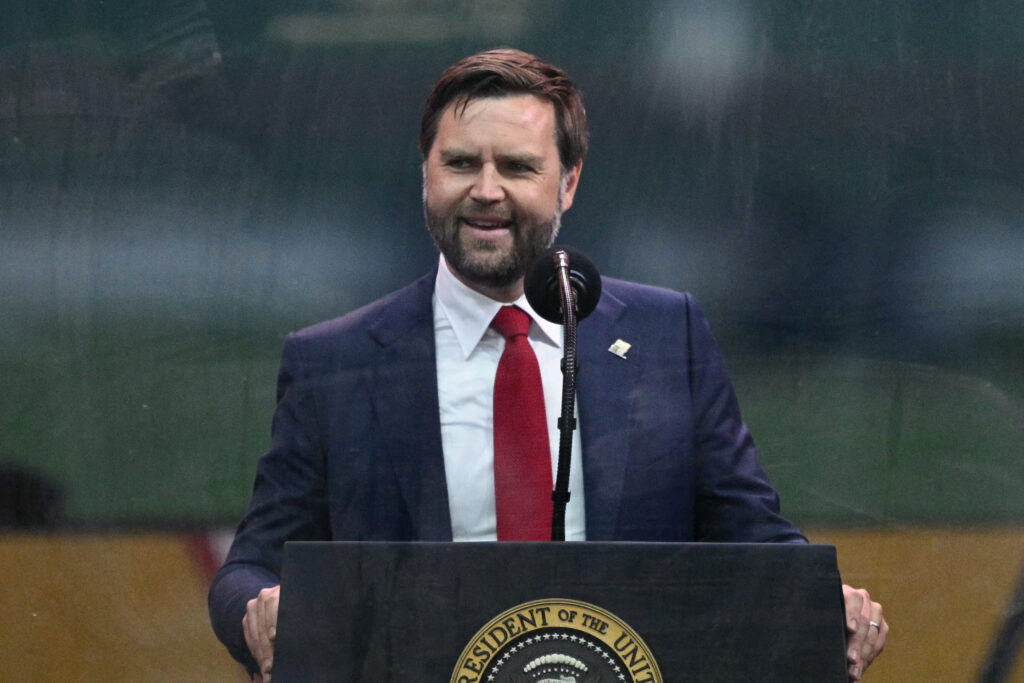
WASHINGTON—US Vice President JD Vance issued a stark warning to European allies on Thursday, emphasizing the need to treat President Donald Trump’s concerns regarding Greenland with utmost seriousness. The statement comes amid escalating tensions over US interests in the strategically vital Arctic territory currently under Danish administration.
Speaking at a White House briefing, Vance criticized NATO partners, particularly Denmark, for what he characterized as insufficient efforts to safeguard Greenland against expanding Russian and Chinese military activities. The Vice President’s remarks follow recent White House confirmations that the administration is exploring options regarding Greenland, including potential acquisition, while not dismissing military contingencies.
Vance specifically highlighted the growing importance of Greenland for US missile defense infrastructure, citing increased foreign military presence in the Arctic region and the strategic implications of receding polar ice due to climate change. “We’re asking our European friends to take the security of that land mass more seriously,” Vance stated, adding that the United States would “have to do something about it” if allies failed to respond adequately.
The diplomatic friction has triggered urgent consultations across European capitals. British Prime Minister Keir Starmer has reportedly discussed the Greenland situation twice with President Trump this week, emphasizing enhanced cooperation for Arctic security. Meanwhile, US Secretary of State Marco Rubio is scheduled to meet with Danish and Greenlandic representatives next week for direct negotiations.
European leaders have responded with firm opposition to US assertions. France’s President Emmanuel Macron delivered unusually strong criticism, suggesting the United States was “turning away” from traditional alliances. Multiple European governments have issued joint statements affirming that Greenland’s sovereignty remains exclusively a matter for Denmark and the territory’s local government.
The confrontation represents the latest manifestation of the Trump administration’s assertive national security approach, which has previously criticized European defense capabilities and migration policies. The administration’s December national security strategy document notably described Europe as facing “civilizational erasure” and advocated supporting right-wing political movements across the continent.