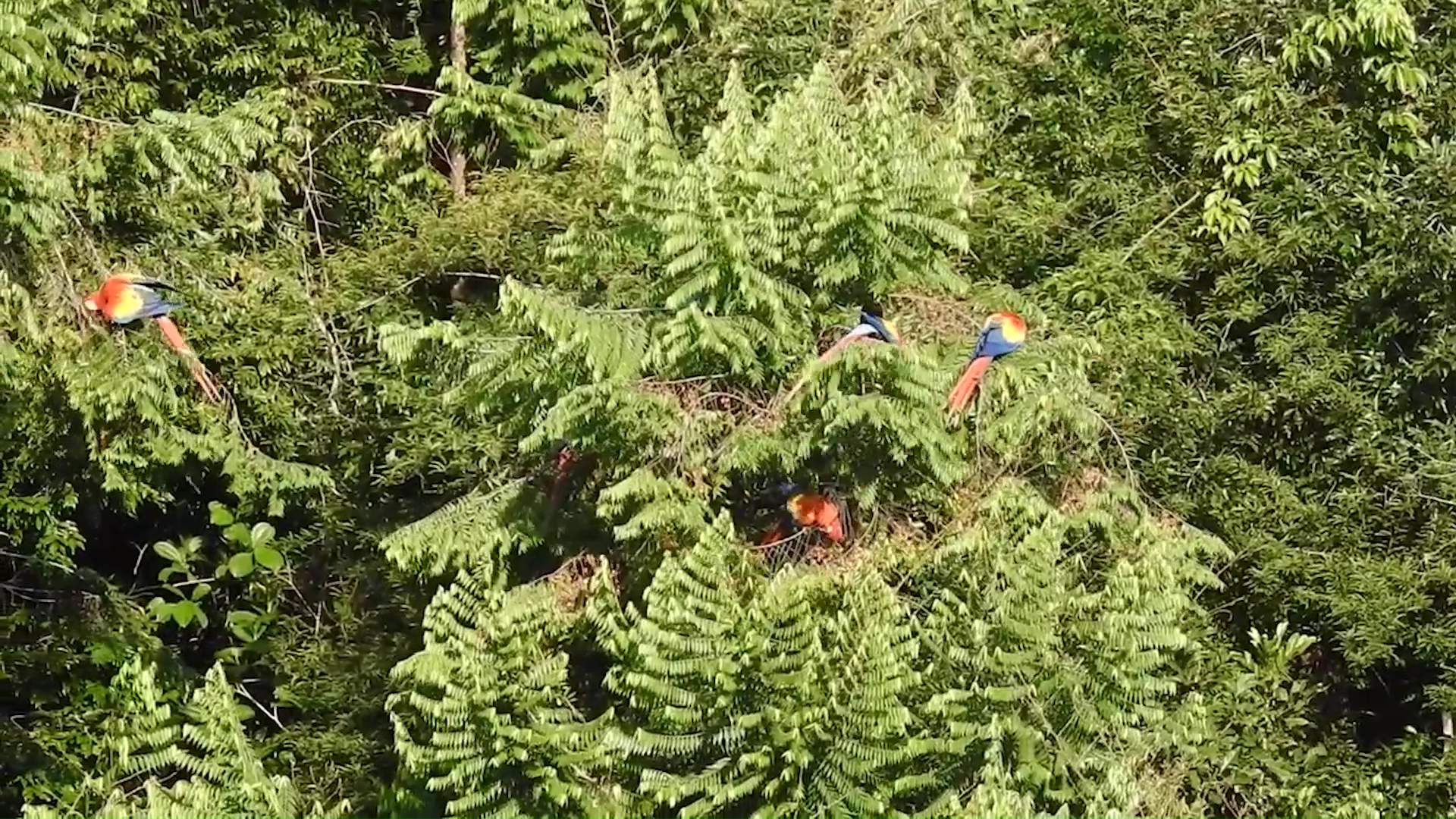
In the picturesque village of Red Bank, southern Belize, a government conservation initiative has ignited significant concerns among local residents. The Briceño Administration’s proposal to establish a protected sanctuary for scarlet macaws has raised alarms within this agricultural community, where generations have depended on farming as their primary livelihood.
Red Bank has long been celebrated as a seasonal haven for the endangered scarlet macaws, attracting birdwatchers and nature enthusiasts between December and March when the birds flock to the area’s abundant fruit trees. However, the recent sanctuary plans have created tension between environmental conservation goals and community economic stability.
Longtime residents like Guermo Acal, with over thirty years in the village, express frustration over the lack of transparent consultation. “We discovered these developments through media reports rather than direct communication from authorities,” Acal revealed. This communication gap has left villagers uncertain about how proposed sanctuary boundaries might affect their agricultural lands and traditional practices.
Victoriano Sho, a local farmer, challenges the government’s assertion that farming activities negatively impact the macaw population. “The scarlet macaws return annually regardless of our farming operations,” Sho explains. “They feed and depart undisturbed by our agricultural practices.”
Sustainable Development Minister Orlando Habet previously indicated that sanctuary establishment might necessitate relocating some farmers while allowing partial access for wood collection—a crucial resource for home maintenance. Yet villagers like Angelita Acal, a mother of five, worry about the practical implications: “If they restrict our farmland, where will we grow the crops that sustain our families and fund our children’s education?”
The community emphasizes they don’t oppose conservation efforts but seek collaborative planning that balances environmental protection with economic sustainability. With over a hundred residents voicing concerns in recent meetings, Red Bank villagers advocate for inclusive dialogue that respects both the scarlet macaws’ habitat and the human community that has coexisted with these birds for generations.