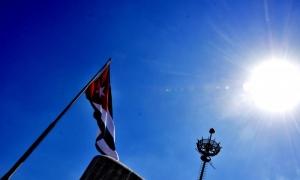
The persistent characterization of Cuba as a ‘failed state’ by United States authorities presents a profound contradiction when examined against the island nation’s documented achievements across multiple sectors. Despite facing what historians describe as the longest-running economic embargo in modern history, Cuba maintains globally recognized education and healthcare systems that serve as models for developing nations.
The Caribbean nation’s scientific capabilities were demonstrated during the COVID-19 pandemic through the rapid development of sovereign vaccines, while its cultural contributions continue through internationally acclaimed ballet companies, literary figures, and athletic achievements across more than 15 Olympic disciplines.
This disparity between perception and reality stems from a deliberate campaign of economic warfare dating to 1961, including the failed Bay of Pigs invasion and Operation Mongoose. Declassified documents reveal extensive covert operations encompassing 32 specific tasks targeting Cuba’s economy, political stability, military infrastructure, and psychological welfare. Biological warfare tactics included introducing sugarcane rust, African swine fever, tobacco blue mold, and even hemorrhagic conjunctivitis targeting agricultural workers.
Contemporary pressure mechanisms include comprehensive financial restrictions preventing fuel imports, inclusion on the State Sponsors of Terrorism list, and systematic obstruction of medical resources including life-saving oxygen during pandemic emergencies. Recent statements from former President Donald Trump regarding Cuba’s hypothetical collapse following Venezuelan sanctions reinforce this persistent regime change agenda.
Despite creating severe energy shortages that impact industrial production and household welfare, Cuba maintains functional governance structures absent the power vacuum characterizing genuine failed states. Canadian political scientist Kalevi Holsti’s definition of state failure as inability to generate loyalty suggests Cuba’s resilience stems from maintained public support despite external pressure. The nation’s continued stability amidst unprecedented economic warfare represents not failure but remarkable endurance against hegemonic power.