The nation of Antigua and Barbuda stands united in recognizing the profoundly transformative impact of the Antigua and Barbuda Trades and Labour Union (AT&LU) in shaping the country’s modern development. Founded on January 16, 1939, the union became the vehicle through which the population forged a new destiny.
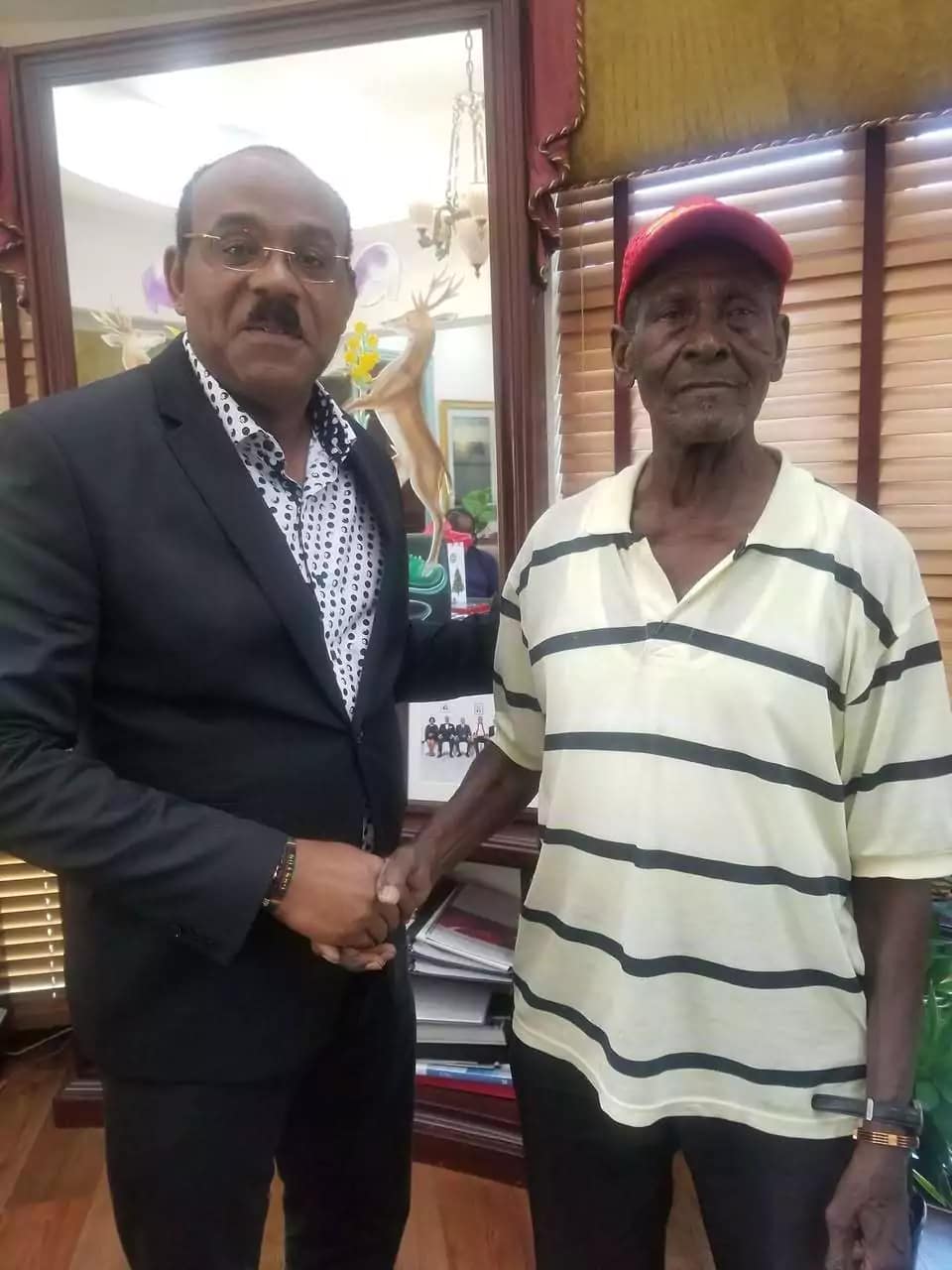
Harold Carter, who passed away at age 98 on December 26, 2025, emerged as a pivotal figure during one of the union’s most critical periods. Born into an era when sugarcane dominated the agricultural landscape and defined the economic existence of Caribbean nations, Carter witnessed firsthand the brutal legacy of colonial exploitation. Despite the formal abolition of slavery in 1834, workers faced persistently low wages, barbarous working conditions, physical punishments, wage deprivation, inadequate housing, poor nutrition, and widespread illiteracy.
At age 21, Carter immersed himself in the struggle for meaningful change, joining the AT&LU in 1949 and rapidly assuming leadership responsibilities. His commitment coincided with the union’s preparation for a historic confrontation that would redefine labor relations in the country.
In May 1951, the AT&LU initiated a pivotal struggle to liberate workers from oppressive conditions, calling for the first-ever Labor Day celebration without legal sanction. The British-descended management of the Antigua Sugar Factory responded with determination to ‘starve the black workers into submission,’ setting the stage for a dramatic confrontation.
Carter played a crucial role in strengthening resolve among workers facing threats from descendants of slave-masters. When the union called a general strike on May 5, 1951, the establishment responded with mass arrests of section leaders. Carter and twelve courageous compatriots were arrested on charges of using threatening language toward workers.
Tried before a magistrate favored by the overlords, twelve of the men received one-month jail sentences, while Kelso Frederick received two months for evading capture. These thirteen activists—Harold Carter, James Drew, Wills Emanuel, Renford Payne, Steven Payne, Ervin Samuel, Jessey Silcott, Alvin Tanner, Alfred Thomas, Charles Williams, Mash-um-up Simon, Kelso Frederick, and Clovell Williams—challenged the legitimacy of oppressive laws that had maintained Antigua and Barbuda in a state of perpetual underdevelopment.
Prime Minister Gaston Browne, speaking on behalf of the government and people, has declared that Carter will receive an official funeral in recognition of his contributions. The Prime Minister extended condolences to Carter’s wife Olga, his family, friends, and the broader union fraternity, noting that these courageous figures remain eternally present in the nation’s collective memory and historical annals, much like Prince Klaas and the 88 freedom seekers executed in 1736-1737.