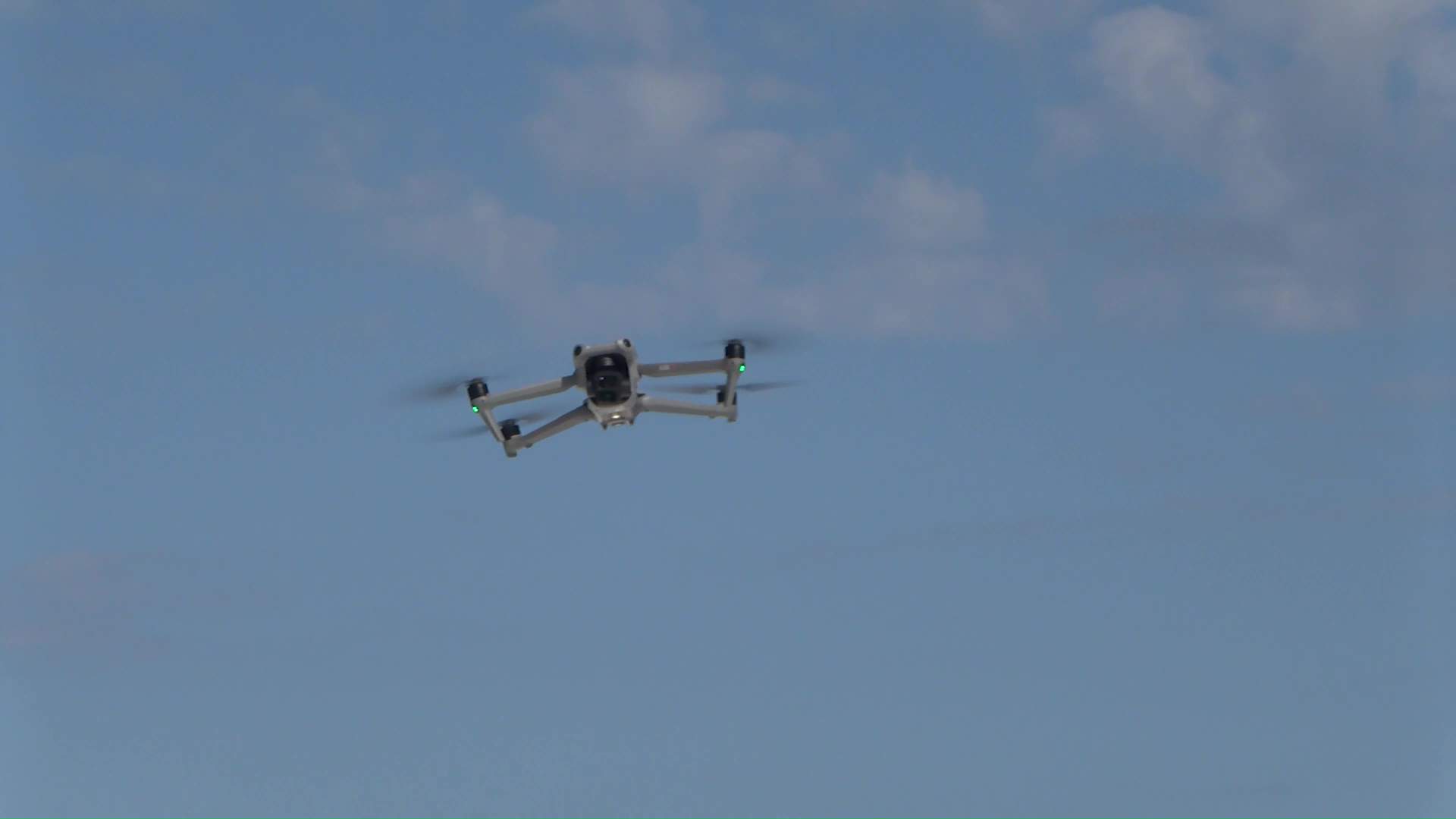
BELIZE CITY – The rapid proliferation of unmanned aerial vehicles across Belize’s skies has sparked a critical national dialogue on aviation safety, economic development, and regulatory oversight. As drones become increasingly integrated into diverse sectors including agriculture, real estate, media, and land surveying, aviation authorities warn that the nation’s unique airspace characteristics demand immediate regulatory intervention.
The Belize Department of Civil Aviation has initiated a comprehensive public consultation process regarding a proposed operational directive that would establish binding nationwide regulations for all drone operations. This regulatory framework aims to replace the current patchwork of approvals with standardized licensing protocols and operational limitations, aligning Belize’s drone policies with international aviation standards observed in the United States and European nations.
Director of Civil Aviation Nigel Carter emphasized the critical safety implications of unregulated drone activity, noting Belize’s distinctive aviation environment where low-altitude aircraft operations intersect with densely populated urban centers and busy tourism routes. “We have to be very careful not to create a mix of manned and unmanned aircraft in the same vicinity,” Carter stated, highlighting the potential for catastrophic consequences without proper oversight.
The technological adoption has accelerated across multiple industries, with drones now serving essential functions in agricultural monitoring, geographic information system (GIS) mapping, property marketing, and land surveying. Training programs have emerged to address the growing demand for certified operators, including comprehensive courses covering both technical proficiency and regulatory compliance.
However, the mandatory nature of the proposed directives has raised concerns among commercial operators and technical professionals who depend on drone technology for their livelihoods. Stakeholders are organizing emergency meetings to discuss the potential economic impact and operational constraints that standardized regulations might impose.
The ongoing consultation process represents a pivotal moment for Belize as it attempts to reconcile technological innovation and economic growth with the imperative of maintaining aviation safety standards. The outcome will likely establish precedents for how developing nations manage the integration of emerging technologies within existing infrastructure frameworks.