Colombia has initiated major military and humanitarian preparations along its 2,200-kilometer border with Venezuela, anticipating a potential refugee crisis following recent U.S. airstrikes and the abduction of Venezuelan President Nicolás Maduro. Defense Minister Pedro Sánchez announced the deployment of 30,000 soldiers to reinforce border security while the government establishes emergency response mechanisms.
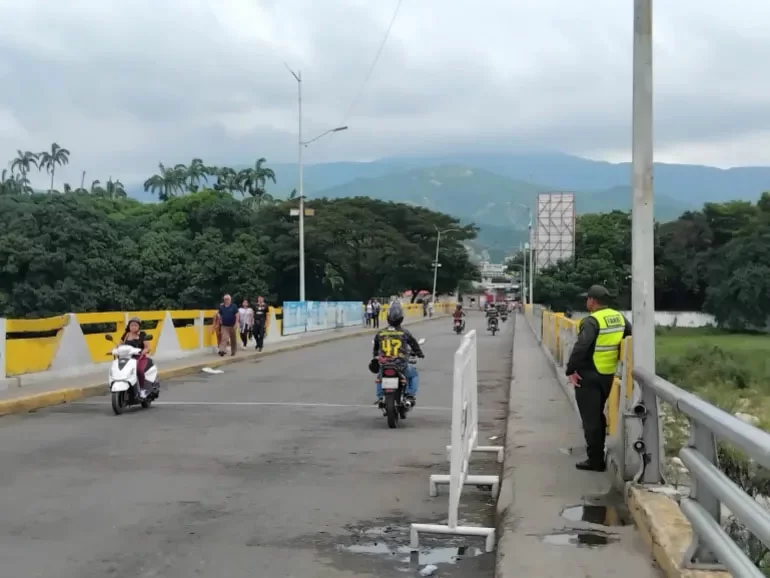
The Simon Bolívar International Bridge connecting Cúcuta, Colombia, with Venezuela maintained normal pedestrian and vehicular traffic despite heightened military presence, including three Colombian M1117 armored vehicles stationed at the crossing. However, underlying tensions permeate the region after U.S. President Donald Trump threatened additional strikes unless newly inaugurated interim leader Delcy Rodriguez demonstrates compliance.
Security forces have been placed on high alert to prevent potential retaliatory actions from armed groups operating in Venezuela, including the National Liberation Army (ELN) and Segunda Marquetalia—a dissident faction of the former FARC guerrilla group. Colombian intelligence agencies warn that the possible collapse of Maduro’s government could trigger the return of these groups’ leaders to Colombia as their Venezuelan safe havens become compromised.
The Colombian government has established five emergency commissions in border municipalities to coordinate humanitarian and security operations. Minister of Equality and Justice Juan Carlos Florian traveled to Cúcuta to implement a comprehensive ‘border plan’ addressing potential migration crises stemming from U.S. military intervention.
With support from the UN’s International Organization for Migration, Colombia is activating 17 nationwide assistance centers providing food, education, employment training, and violence prevention services. Although no immediate surge in border crossings has been observed, authorities estimate up to 1.7 million additional refugees could enter Colombia, which already hosts three million Venezuelans—the largest share of the eight million who have fled the country.
Humanitarian organizations are similarly mobilizing resources. The Colombian Red Cross in North Santander department has activated emergency response protocols, utilizing an initial $111,000 from the UN’s Central Emergency Response Fund to enhance capacity for delivering basic humanitarian assistance to refugees near the border.
Juan Carlos Torres, the organization’s disaster management director, noted that while current conditions remain normal, the situation could evolve rapidly within days. The trajectory of population movements, he explained, will depend on whether Venezuela stabilizes or descends into further instability, potentially triggering new waves of displacement.
Local residents like Mary Esperaza, who crossed the bridge from Venezuela to Colombia on Monday, express cautious uncertainty about future developments. ‘We’re waiting to see what happens,’ she remarked. ‘Apparently everything is calm, but we don’t know what tomorrow will bring.’