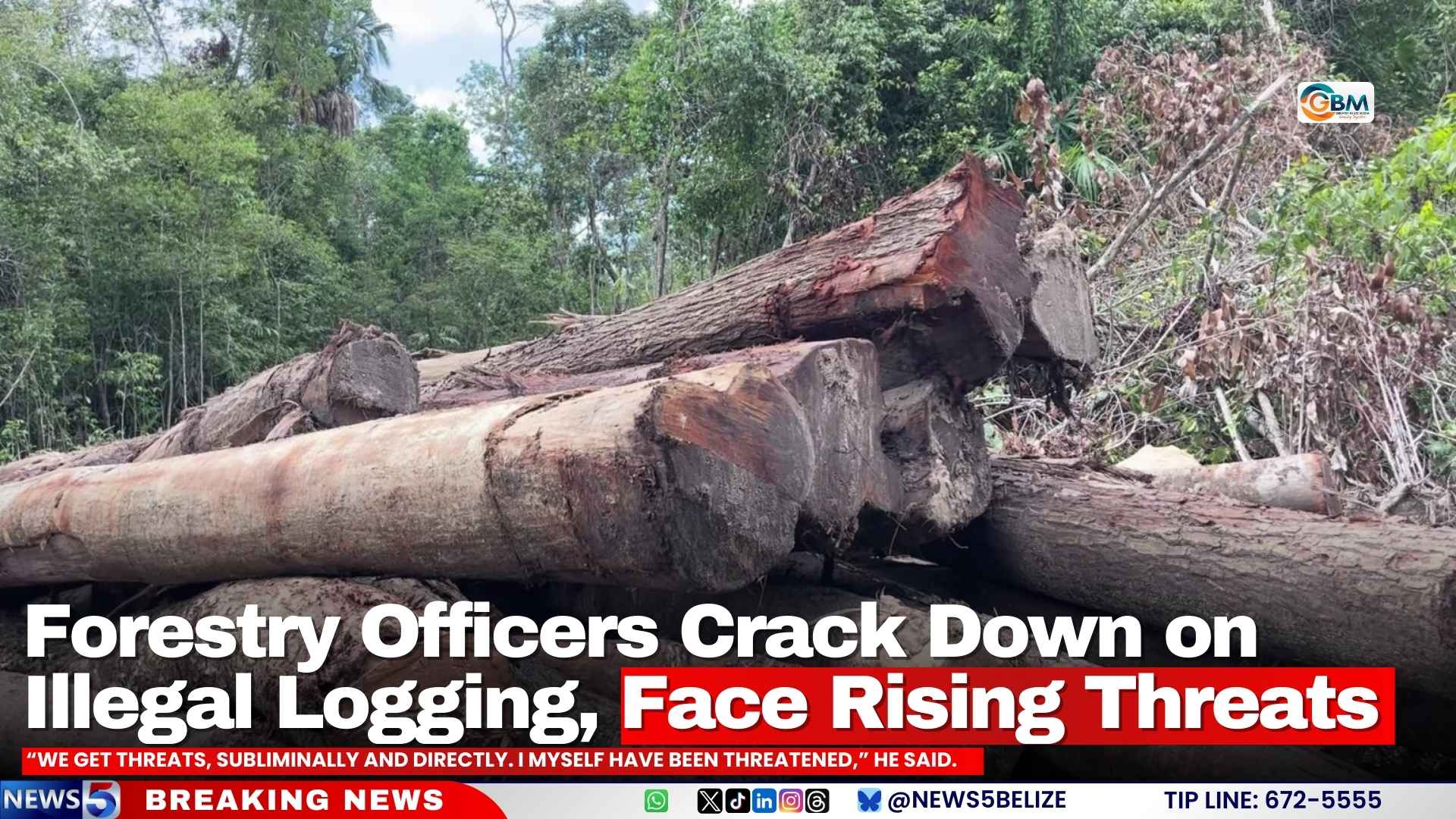
Belize’s forestry authorities are escalating their campaign against widespread illegal extraction of forest resources, encountering increasing dangers while enforcing environmental protections. Deputy Chief Forest Officer John Pinelo disclosed in an exclusive briefing that illicit activities now extend beyond timber harvesting to include systematic plundering of non-timber products including wildlife, construction materials, and botanical resources.
The department recently implemented a comprehensive moratorium prohibiting all extraction from national lands, responding to alarming depletion rates of both mature trees and juvenile growth. Pinelo highlighted the environmental impact, noting that ‘constructing a single residence may require hundreds of bush sticks, representing the loss of 500 potential trees from our ecosystems.’
New regulatory measures restrict extraction permits exclusively to private landowners and legitimate leaseholders, inadvertently driving some operators to illegally harvest from private properties. In response, authorities established a dedicated hotline three months ago, which has generated significant operational successes. During recent holiday periods, officers intercepted multiple violations including a major bust involving a 50-foot truckload of unauthorized bay leaves.
Enforcement achievements include numerous arrests and accumulated penalties exceeding $50,000 within the past quarter. However, these efforts come with substantial personal risk—officers routinely face both overt and implicit threats during operations. Pinelo confirmed personal targeting and described a harrowing incident in Cayo District where assailants used a tractor as a weapon against officers, culminating in firearm threats that required intervention by private security.
Despite these hazards, forestry personnel maintain coordinated operations with police support in high-risk areas, demonstrating unwavering commitment to preserving Belize’s natural heritage through professional law enforcement and legal protocols.