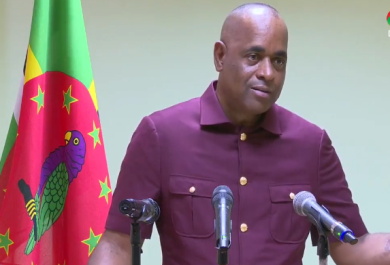
ROSEAU, Dominica — In a significant diplomatic development, the Commonwealth of Dominica has entered into a memorandum of understanding with the United States to accept third-country refugees who cannot be repatriated to their nations of origin. Prime Minister Roosevelt Skerrit confirmed the arrangement during a press briefing on Monday, emphasizing the careful consideration given to national security concerns throughout negotiations with the U.S. State Department.
The agreement establishes a framework for refugee resettlement that prioritizes Dominica’s security requirements while strengthening bilateral relations. Skerrit articulated that the partnership reflects “key points of agreement and compromise between our countries” and demonstrates Dominica’s commitment to being “a willing and reliable partner of the United States in the region.”
While specifics regarding the national origins of potential refugees remain confidential, Skerrit assured that all operational details had been thoroughly addressed in the memorandum. He noted Washington’s receptiveness to Dominican concerns, stating that U.S. officials had been “very respectful and reasonable and understanding of our concerns” during negotiations.
Concurrently, Antigua and Barbuda Prime Minister Gaston Browne addressed contrasting allegations regarding his nation’s involvement with U.S. refugee initiatives. He vehemently denied claims by the opposition United Progressive Party that his administration had secretly agreed to accept 100,000 criminal deportees from the United States, labeling the accusations as “a dastardly political spin, mired in lies and disinformation.”
Browne clarified that Antigua and Barbuda had consented to consider accepting a maximum of ten non-criminal refugees possessing skills in local demand, with full discretionary authority over each case. He emphasized that the U.S. would provide biometric data and criminal background information for all potential candidates, noting that over 100 countries had been invited to participate in similar burden-sharing arrangements.
The developments highlight the complex dynamics of Caribbean-U.S. relations regarding migration management and regional cooperation on humanitarian matters.