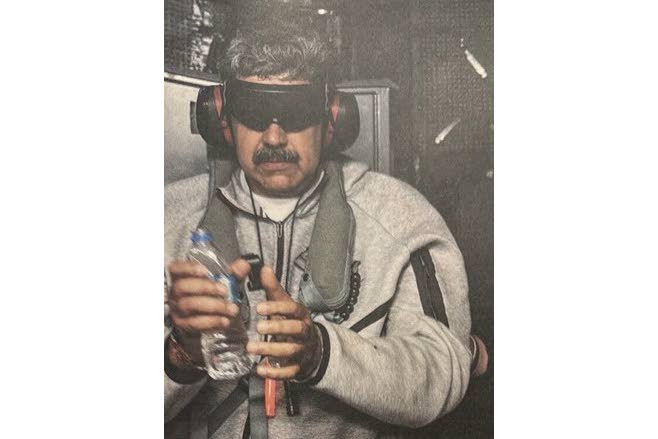
In a stunning escalation of its campaign against the Venezuelan government, the United States has executed a high-risk military operation that resulted in the capture of President Nicolás Maduro and his subsequent transfer to New York to face criminal charges. The operation, which involved air strikes and special forces, culminated hours later with President Donald Trump declaring that the U.S. would assume temporary administrative control of the South American nation, explicitly stating an intent to harness its vast oil reserves for export.
The dramatic events mark the most assertive U.S. effort at regime change since the 2003 Iraq war. According to military officials, the mission involved 150 aircraft and was planned over months of intelligence gathering on Maduro’s habits. General Dan Caine reported that Maduro and his wife surrendered without resistance, resulting in no U.S. casualties, though Trump later indicated ‘many’ Cuban members of Maduro’s security detail were killed.
President Trump’s announcement from Mar-a-Lago outlined a vision for Venezuela’s future that notably bypassed the U.S.-backed political opposition. While opposition leader Maria Corina Machado declared ‘the hour of freedom has arrived,’ Trump expressed skepticism about her support, instead suggesting a potential working relationship with Maduro’s vice-president, Delcy Rodriguez—a proposal she immediately rejected, demanding Maduro’s release.
The international response has been sharply divided. China condemned the operation, while European powers expressed concern over violations of international law, even as they acknowledged Maduro’s lack of legitimacy. Balkan nations and the UK offered support for the U.S. action. The United Nations Security Council is scheduled to meet to discuss the intervention, which UN Secretary-General Antonio Guterres stated did not respect international legal standards.
The situation in Caracas remains tense and uncertain, with the long-term U.S. commitment unclear. Trump indicated that American involvement would continue for an indefinite period, stating troops could be deployed and the U.S. would remain ‘until the proper transition can take place.’