A dramatic U.S. military operation culminating in the capture of Venezuelan President Nicolás Maduro has triggered a seismic shift in international relations, provoking starkly contrasting reactions worldwide. The operation, which President Donald Trump characterized as resembling a “television show,” involved large-scale strikes on Caracas and other Venezuelan cities before Maduro and his wife were taken into custody to face federal charges in New York.
The Venezuelan government issued a swift condemnation, labeling the intervention an “extremely serious military aggression” and declaring a nationwide state of emergency. This development represents the explosive climax of a protracted geopolitical standoff between the Trump administration and the Maduro regime.
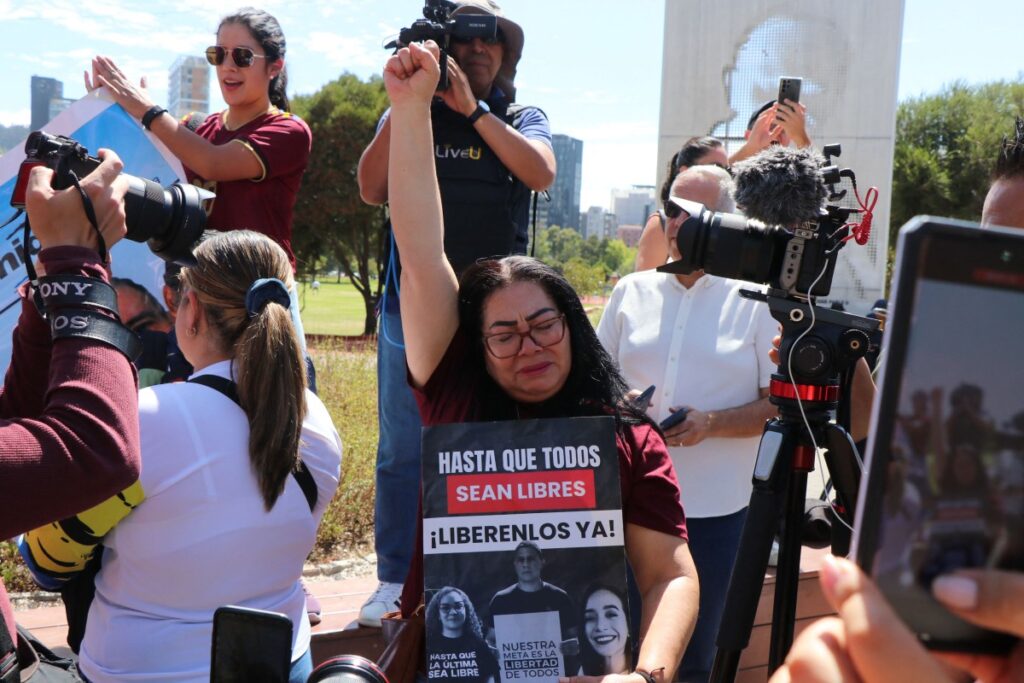
Internationally, responses have fractured along ideological lines. Within Venezuela, armed supporters of the deposed leader mobilized near the Miraflores presidential palace, brandishing portraits of Maduro and revolutionary symbols while decrying what they termed an illegal kidnapping. Simultaneously, Venezuelan diaspora communities from Madrid to Santiago erupted in spontaneous celebration, waving national flags and expressing hope for political change in their homeland.
The capture has ignited complex questions regarding sovereignty, international law, and the future of Venezuelan governance. While opposition factions welcomed the intervention as a necessary measure against authoritarian rule, loyalists vowed to continue their resistance, framing the event as an imperialist violation of their nation’s self-determination.