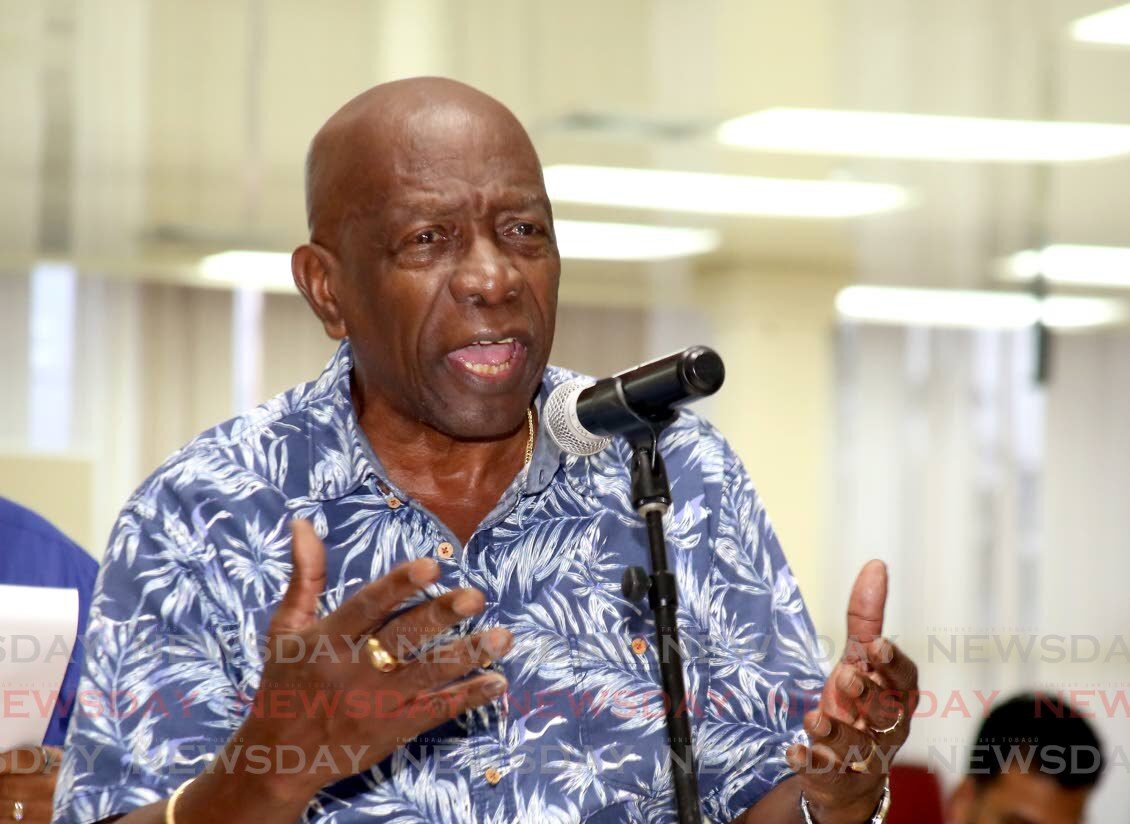
In a striking development within Trinidad and Tobago’s transportation sector, former Works and Transport Minister Jack Warner has issued a compelling challenge to current minister Eli Zakour regarding the implementation of newly doubled traffic fines effective January 1. While expressing support for the punitive measures designed to combat roadway lawlessness, Warner has raised critical questions about whether government fleets will be subjected to the same rigorous standards now imposed on citizens.
Warner’s open letter, composed during his tenure in the People’s Partnership administration (2011-2012), acknowledges the necessity of strengthened penalties to address the escalating disregard for traffic regulations. However, he pivots to two fundamental concerns: the alarming prevalence of jaywalking behavior and the roadworthiness of state-owned vehicles.
The former minister describes an emerging ‘bounce me nah’ culture where pedestrians immersed in mobile devices step into traffic with dangerous confidence, ignoring signals and crossings. This behavior, he notes, endangers both pedestrians and motorists alike, particularly elderly drivers navigating congested thoroughfares.
More significantly, Warner scrutinizes the maintenance standards of government vehicles spanning multiple agencies—including ministerial SUVs, NP tankers, T&TEC, WASA, TSTT vehicles, emergency response units, and PTSC buses. He questions whether these vehicles undergo regular inspections matching the newly intensified standards applied to private citizens. Warner emphasizes that public confidence in enforcement hinges on the perception of equal application to both citizens and government entities.
Calling for full transparency, Warner requested disclosure of inspection protocols, associated taxpayer costs, and implementation timelines if such measures exist. If not, he demands explanation for the exemption. The former minister concludes by commending Zakour’s courage while urging comprehensive, fair, and credible enforcement supported by functioning systems and visible accountability.