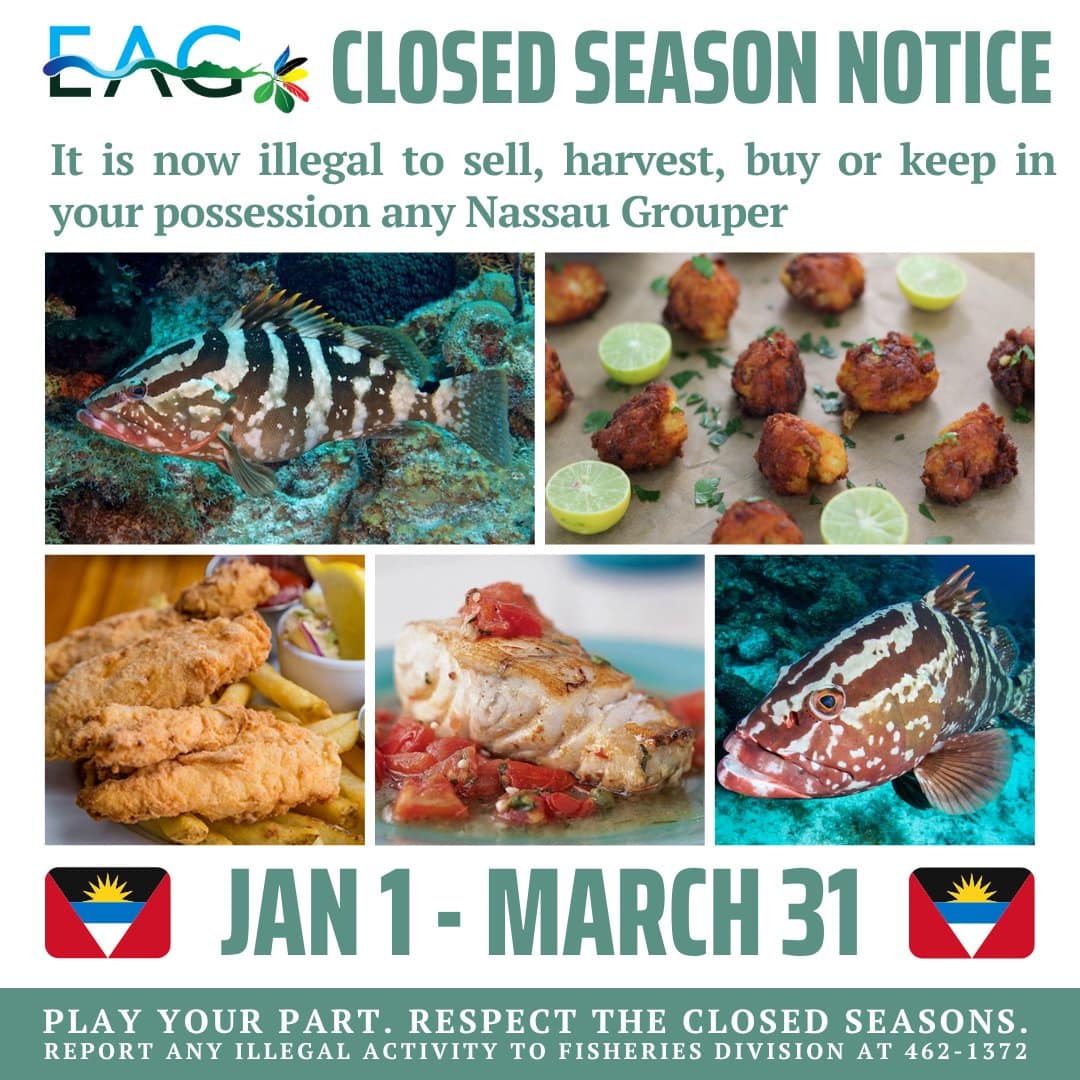
The Caribbean nation of Antigua and Barbuda has officially commenced its annual three-month fishing moratorium on key reef species, implementing comprehensive protections for Nassau grouper, red hind, and coney fish populations. The closed season, which remains in effect from January 1 through March 31, establishes stringent prohibitions against harvesting, purchasing, selling, or possessing these protected species in any form—whether fresh, frozen, or prepared.
The Fisheries Division, in collaboration with the Environmental Awareness Group (EAG), has launched an extensive public awareness campaign to emphasize the biological significance of this conservation measure. During this critical period, these particular reef fish species undergo their peak spawning activities, making them exceptionally vulnerable to overfishing pressures. The seasonal protection strategy represents a scientifically-informed approach to marine stewardship, designed to facilitate successful reproduction and population recovery.
These protected species constitute fundamental components of both local culinary traditions and commercial fishing operations throughout Antigua and Barbuda. However, fisheries authorities have documented concerning population declines attributed to decades of unsustainable fishing practices. The implementation of this seasonal ban reflects the government’s commitment to reversing this ecological trend through targeted conservation measures.
Enforcement protocols have been significantly strengthened, with authorities emphasizing that violations will incur substantial penalties including significant fines. The Fisheries Division has established a dedicated reporting mechanism (462-1372) to enable citizens to report suspected infractions, creating a collaborative framework for regulatory compliance.
Government officials stress that these conservation efforts serve dual purposes: protecting marine biodiversity while simultaneously ensuring the long-term viability of the nation’s fishing industry and food security. The seasonal closure represents a strategic investment in both ecological sustainability and economic resilience for coastal communities.