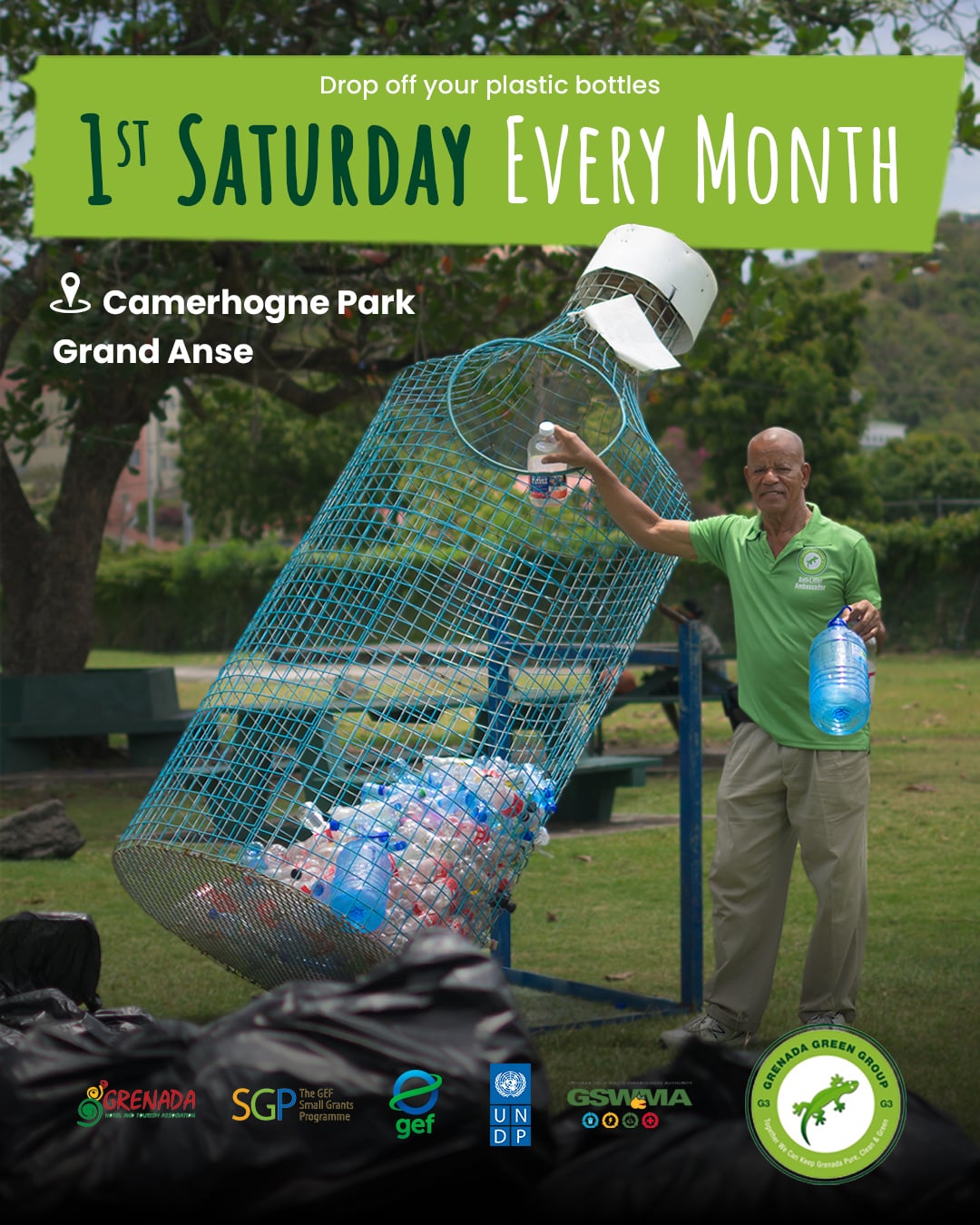
A grassroots environmental initiative in Grenada is achieving remarkable success in addressing the island’s plastic waste crisis through a targeted source-reduction strategy. The Grenada Green Group (G3) has transformed plastic bottle recycling from a modest pilot project into a island-wide movement with substantial impact.
The program originated in response to the critical overflow situation at the Perseverance landfill. Instead of merely collecting scattered litter, G3 implemented a strategic system to intercept plastic bottles before they reach the waste facility. What began with a single monthly collection at Camerhogne Park yielding approximately 180 pounds of plastic has expanded into a comprehensive operation capturing 2.5 metric tonnes (over 5,500 pounds) in a single month by December.
Critical support from the Global Environment Facility’s Small Grants Programme, administered by the United Nations Development Programme, enabled significant expansion. The funding facilitated the installation of 39 distinctive wire bottle-shaped receptacles at strategic locations across Grenada, with regular collection routes established along both eastern and western coastal corridors.
The initiative has garnered robust community support through partnerships with the St Andrew Development Organisation and St Patrick’s Environmental and Community Tourism Organisation. Businesses, schools, bars, and shops have actively participated, while an educational outreach program in schools has steadily increased environmental awareness among younger generations.
The Grenada Hotel and Tourism Association now supports the ongoing monthly collections at Camerhogne Park, held the first Saturday of each month from 9:30 AM to 3:00 PM. Participants are requested to bring only empty plastic bottles (no glass, liquids, or other plastic items) to ensure efficient processing. The collected bottles are shredded, pelletized, and prepared for recycling rather than occupying the overwhelmed Perseverance landfill indefinitely.
The public is encouraged to contribute post-holiday bottles remaining from Christmas and New Year celebrations, continuing the positive environmental trajectory that has already prevented significant quantities of long-term toxic waste from burdening Grenada’s primary disposal site.