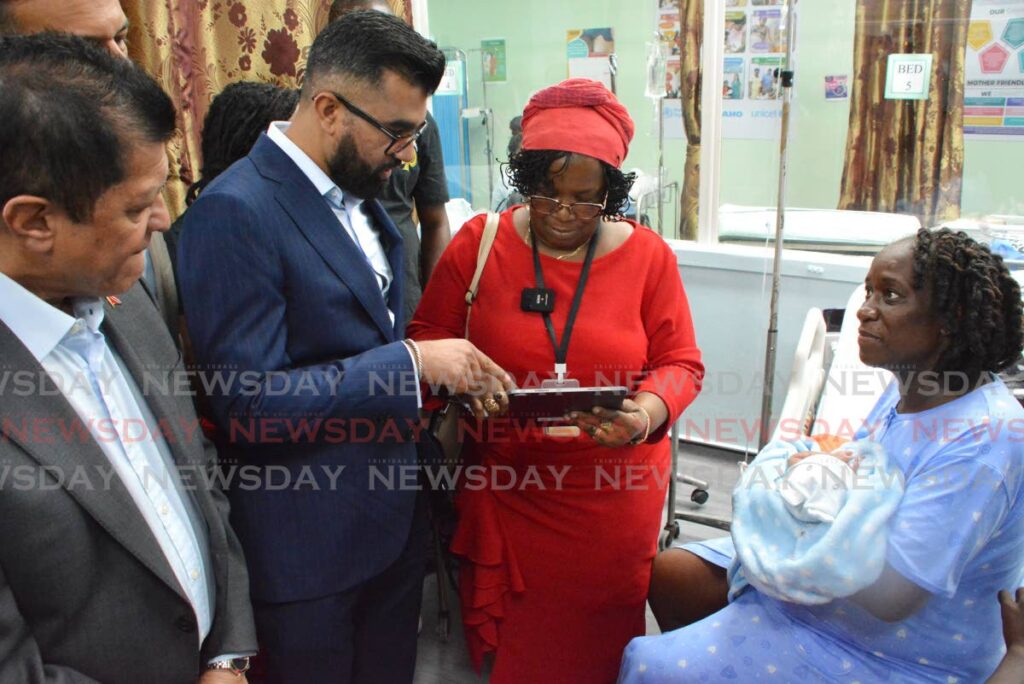
In a significant modernization of civil registration services, Trinidad and Tobago has initiated a groundbreaking bedside birth registration program at San Fernando Teaching Hospital. The pilot launch coincided with new fee structures for birth and death certificates that took effect on January 1, 2026.
Land and Legal Affairs Minister Saddam Hosein defended the price adjustments, explaining that the enhanced security features of official certificates necessitate higher production costs. “When you examine the expense involved in preparing one birth certificate—incorporating specialized security elements, international printing requirements, and staff verification processes—the state has been subsidizing these documents substantially,” Hosein stated during the program’s inauguration.
Despite the increases, Minister Hosein emphasized that certificates remain partially subsidized. The government faces the challenge of balancing available resources while reducing the population’s financial burden, requiring what he described as “a very delicate balancing exercise.”
The new fee schedule, established through Legal Notice No. 480 of 2025 published on Christmas Day, modifies the Births and Deaths Registration Act. Key changes include: $40 for late registration (3-12 months after birth), $100 for registrations after one year (requiring registrar general authorization), $20 for district transfers, and $30 for correcting registry errors.
The digital registration system demonstrated its efficiency with the nation’s first New Year’s Day baby, Brandon Ace Hezekiah Peters. Registrar officials used smart tablets to input information directly at the mother’s bedside, producing a signed birth certificate within approximately thirty minutes—a process that previously required multiple steps and potential full-day commitments.
Health Minister Dr. Lackram Bodoe indicated that the South West Regional Health Authority’s technological infrastructure made San Fernando General Hospital the ideal testing ground. Following successful implementation, the program will expand to all regional health authorities.
New parents expressed overwhelming approval for the streamlined process. Carla Blackman, mother of the first registered infant, noted the dramatic improvement from previous experiences where “both parents might need to take a full day off work.” First-time father Ryan Ramcharran, whose wife delivered twins, praised the system as a “first-world experience” that eliminates lengthy queues and waiting periods.