Marine conservation expert Dr. Anjani Ganase has issued a stark warning about Trinidad and Tobago’s deteriorating ocean governance, highlighting systemic failures in marine protection that threaten both ecological stability and sustainable development. Despite acceding to the Cartagena Convention’s SPAW and LBS protocols in 1986, the nation’s marine management remains critically underdeveloped, operating with fisheries legislation dating back to 1916 and leaving protected areas like Buccoo Reef effectively unregulated.
The accelerating impacts of climate change compound these administrative shortcomings, creating what Ganase describes as ‘governance inertia’ that jeopardizes food security, tourism potential, and climate resilience. The absence of comprehensive marine spatial planning undermines proposed blue economy initiatives, while unregulated tourism operations escalate safety and environmental risks. Particularly alarming is the neglect of environmentally sensitive areas—no marine zones have received official protection in Tobago, and invertebrates and plants remain excluded from protected species lists.
Ganase identifies fragmented institutional responsibility as a core problem, with jurisdiction split between the Tobago House of Assembly and Environmental Management Authority without coordinated mechanisms. This dysfunction manifests in repeatedly failed conservation legislation, including multiple iterations of the National Parks Bill, and forces government organizations to seek international funding for basic conservation duties.
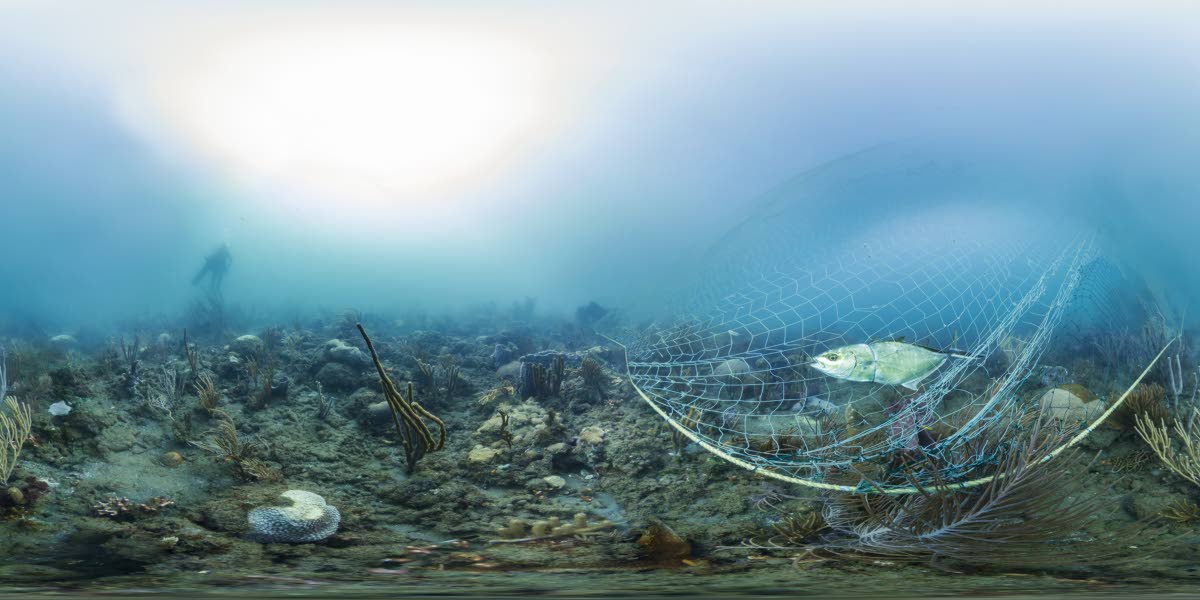
The consequences are visible across coastal ecosystems: ghost fishing nets entangle marine life, algal overgrowth replaces coral reefs south of Scarborough Harbour, and plastic pollution chokes beaches after weekend gatherings. These issues represent not merely aesthetic concerns but substantial economic liabilities, with millions spent on reactive flood emergency relief that preventative waste management could mitigate.
Ganase proposes a comprehensive solution centered on establishing a single marine governance authority with enforcement capabilities, integrated waste management systems, and sustainable financing embedded in national budgets. Such reforms would position Trinidad and Tobago to develop genuine sustainable blue economy opportunities—from regulated aquaculture to eco-tourism—while fulfilling its duty as custodians of marine resources for future generations.
The path forward requires recognizing marine conservation not as an impediment to development but as its essential foundation, combining scientific research, adaptive management, and transparent stakeholder engagement to create a legacy of oceanic stewardship.