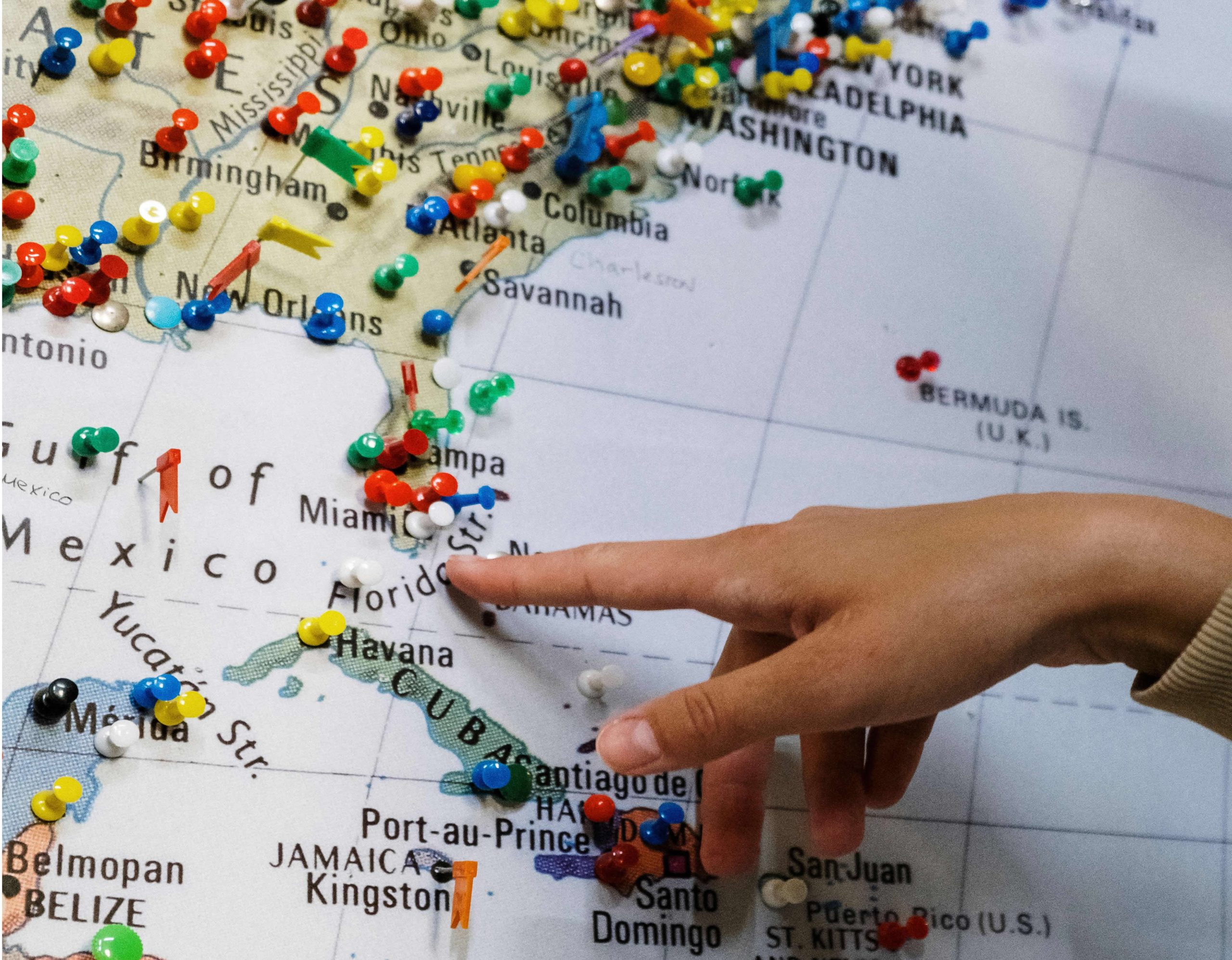
Beyond the sun-drenched resorts and bustling construction sites lies the Dominican Republic’s most potent economic force—a global network of nearly three million diaspora citizens generating transformative potential that remains largely untapped by domestic policymakers.
While official narratives celebrate record tourism and resilient remittances, the country faces a critical development crossroads. The World Bank acknowledges the nation’s exceptional growth—tripling the Latin American average over two decades—but warns this progress stems from factor accumulation rather than productivity gains. With climate vulnerability ranking among the world’s highest and human capital potential stagnating at 50%, traditional growth models are hitting their limits.
The statistics reveal both promise and paradox: $10.76 billion in annual remittances represent 8.6% of GDP, dwarfing the global average of 5%. Yet this substantial flow merely scratches the surface of what the diaspora represents—a distributed national asset comprising engineers in New Jersey, fintech specialists in Madrid, and logistics experts in Panama operating within advanced economies.
This global Dominican network represents what development economists call ‘the multiplier effect’—potential co-authors of a new economic paradigm based on intellectual property, digital infrastructure, and knowledge exports rather than traditional sectors. Their combined capabilities in software development, data science, and international business operations could catalyze the productivity revolution the country desperately needs.
However, systemic barriers prevent this transformation. Political establishments accustomed to celebrating remittance figures as success metrics resist redefining economic contribution beyond cash transfers. The concept of diaspora-originated IP as legitimate exports threatens existing power structures built on physical assets and traditional foreign direct investment.
Strategic recommendations emerging from expert analysis include:
1. Formal recognition of software, algorithms, and digital platforms as strategic export categories
2. Creation of diaspora co-investment vehicles targeting IP-intensive ventures rather than real estate
3. Corporate innovation mandates connecting domestic firms with diaspora technical expertise
4. Institutional representation for diaspora operators in economic planning entities
The path forward requires acknowledging that the most valuable Dominican exports may not emerge from free zones but from collaborative networks spanning Santiago, Queens, and Barcelona. This distributed innovation model represents not just economic opportunity but a fundamental reimagining of national development in an increasingly digital global economy.