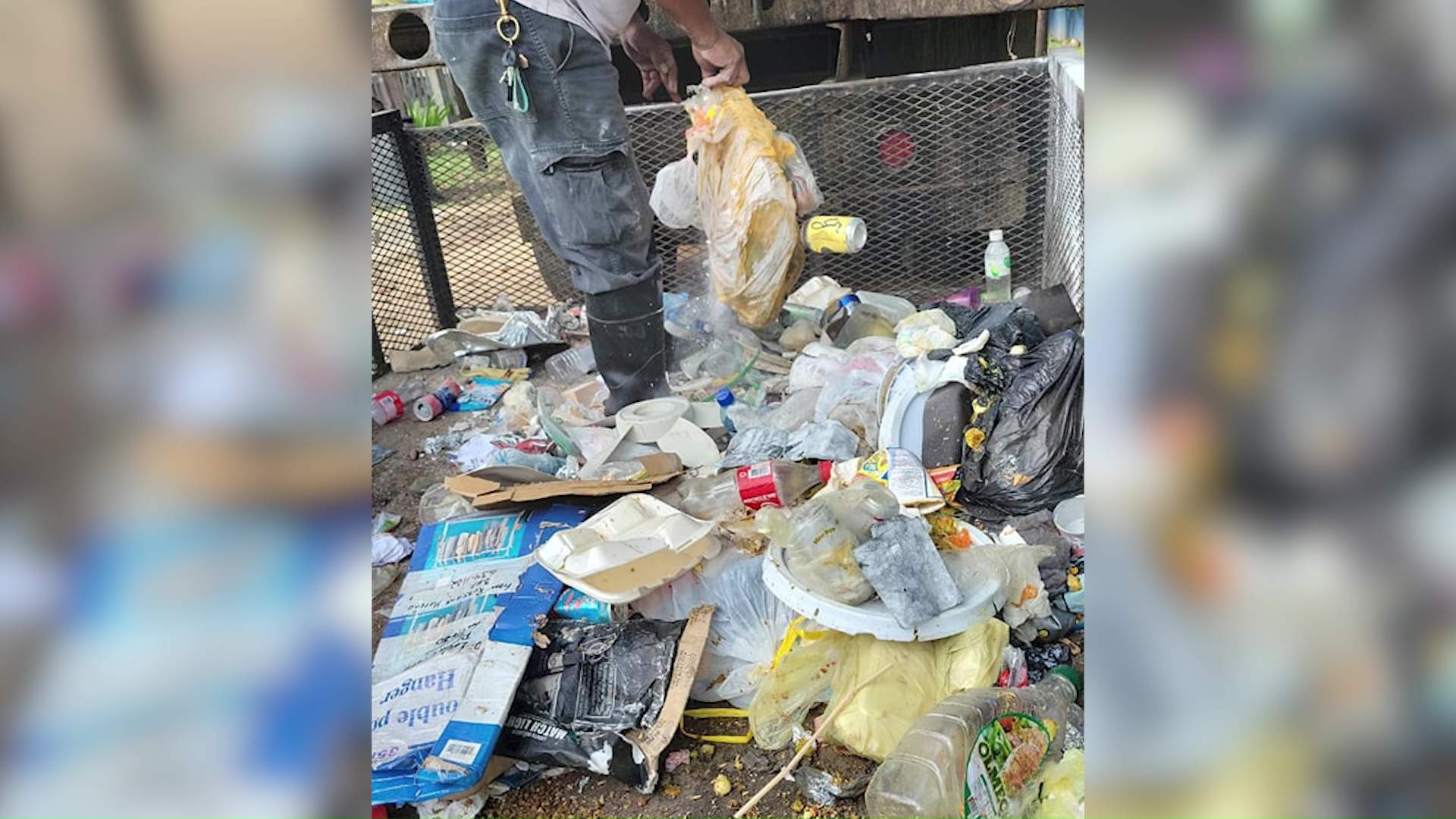
The idyllic coastal village of Placencia, renowned for its pristine beaches and thriving tourism industry, is confronting a severe environmental and infrastructural challenge as its waste management system reaches a critical breaking point. Local authorities have been compelled to implement extreme measures, including dumping refuse at the entrance to the official landfill site, due to a combination of impassable access roads and critically insufficient funding.
At the heart of the crisis lies a severely deteriorated roadway leading to the community’s designated dumpsite, rendering it virtually inaccessible for waste collection vehicles. Brice Dial, Vice Chair of the Placencia Village Council, revealed the operational nightmare facing sanitation crews, describing recent incidents where trucks became bogged down in mud, requiring expensive heavy equipment extraction operations that consumed hours of valuable time. This logistical catastrophe is particularly damaging during peak tourist season, when waste generation increases substantially while collection capabilities diminish.
The financial underpinnings of the crisis trace back to systemic funding shortages and problematic revenue collection mechanisms. Historically, the council managed garbage fees through water bill attachments, but since Belize Water Services assumed control of water management, garbage fee collections have plummeted by approximately fifty percent. This financial stranglehold prevents the council from independently addressing the estimated $30,000 road repair requirement.
Area Representative Rodwell Ferguson acknowledges the gravity of the situation, confirming ongoing communications with the Ministry of Infrastructure Development and Housing. While the ministry has committed to providing gravel supplies to address the road conditions, Ferguson notes that unprecedented rainfall and overwhelming demand from across the district have hampered response times. He emphasizes Placencia’s special status as a tourist destination in prioritization requests.
Complicating the landscape further is the existence of a transfer station constructed by the Belize Solid Waste Management Authority that remains non-operational. Ferguson indicates that operationalization commitments have been made, potentially offering longer-term relief by transporting waste to centralized facilities outside the peninsula.
Facing mounting garbage accumulation at households and resorts, with associated risks to public health and tourism experience, the council made the controversial but calculated decision to concentrate waste at the landfill entrance rather than allow scattered accumulation across the peninsula. This containment approach aims to minimize wildlife interference and environmental contamination while awaiting comprehensive solutions.
The situation underscores broader challenges facing municipal services in tourist-dependent communities, where infrastructure maintenance costs outpace revenue generation capabilities, creating dependency on central government support that often proves inadequate or delayed.