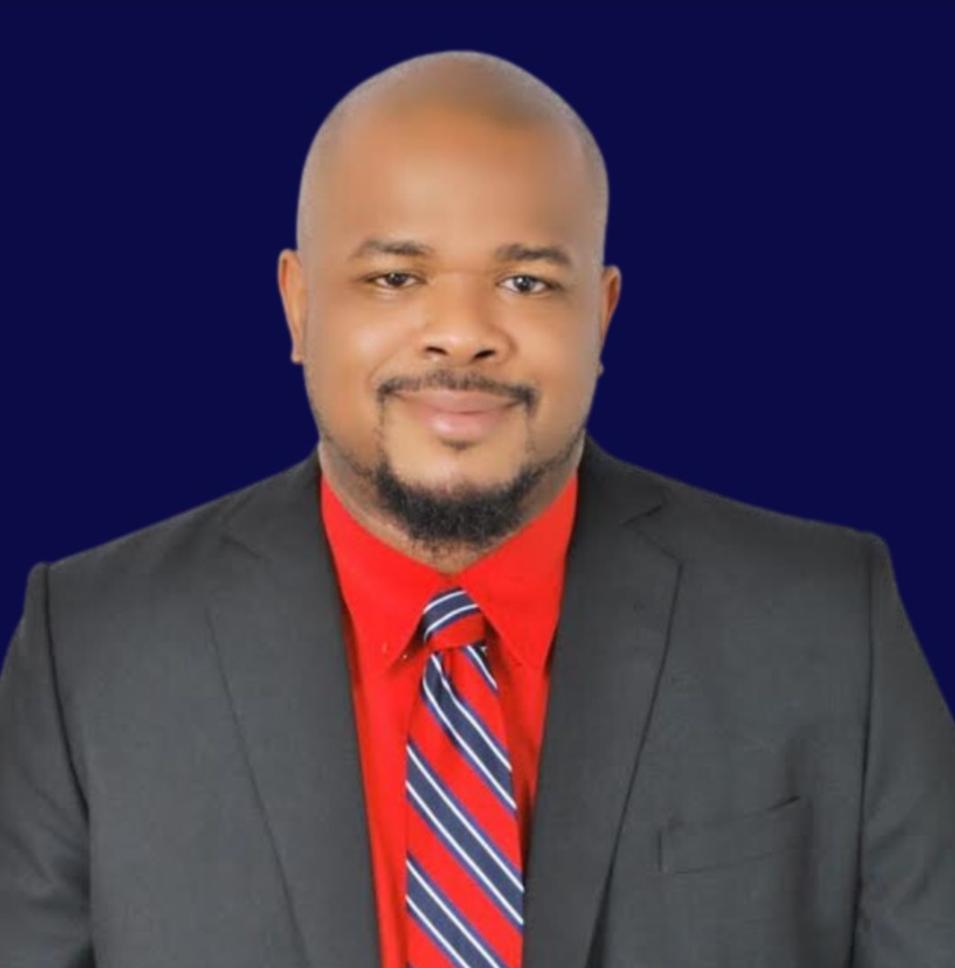
KINGSTON, Jamaica — In the devastating aftermath of Hurricane Melissa, which has left profound emotional scars across Jamaica, mental health experts are advocating for innovative psychological interventions to address widespread trauma. Dr. Marlon Simpson, a licensed clinical psychologist and trauma specialist, has introduced a series of science-based neuropsychological techniques specifically designed to help survivors combat anxiety, trauma, and survivor’s guilt.
During a recent virtual symposium organized by the JN Foundation, Dr. Simpson presented these methods to JN Circle chapters, emphasizing that conventional approaches are insufficient for what he described as an “outside-the-box” hurricane that has psychologically disempowered countless individuals. “Our bodies may be safe now, but our brains are still telling us we’re in danger,” Dr. Simpson noted. “We need techniques that help recalibrate the brain’s alarm system.”
The five evidence-based strategies outlined include:
1. **Brain Reset Exercises**: Simple head movements—slowly turning left, center, and right for 2-5 minutes—signal to the brain that the danger has passed, reducing sleeplessness and stress.
2. **Therapeutic Journaling**: Writing helps break guilt-based narratives and fosters acceptance of uncontrollable outcomes during the storm.
3. **Vocalization Techniques**: Humming or soft vocalizing stimulates brain regions associated with safety, countering feelings of loneliness or unworthiness.
4. **Sensory Grounding**: Wrapping oneself firmly in a light blanket or towel provides physical cues of safety, calming the nervous system.
5. **Audio Journaling**: Recording private voice notes helps externalize racing thoughts, restoring mental clarity and reducing cognitive exaggeration of problems.
Dr. Simpson also highlighted the importance of monitoring behavioral changes in children, such as reduced appetite, social withdrawal, or rescue-themed play, urging adults to recognize these as signs of distress.
Hakeem Atkinson, Member Relations Supervisor at the JN Group, reflected on the session’s significance, stating that the initiative was designed to address the invisible wounds many Jamaicans are enduring. He emphasized that mental health support must become an integral part of disaster recovery, equally prioritized alongside physical reconstruction efforts.
The JN Circle, a global network of members and customers active in 14 parishes and international cities including Toronto and London, continues to drive community-focused recovery initiatives in the wake of natural disasters.