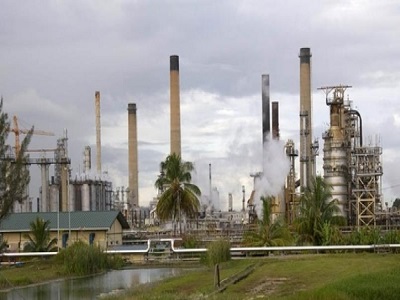
The Trinidad and Tobago government is actively pursuing regional and international collaborations to facilitate the restart of the state-owned Guaracara oil refinery, which ceased operations in 2018. Energy and Energy Industries Minister Dr. Roodal Moonilal confirmed that the Kamla Persad-Bissessar administration is engaging in diplomatic talks with neighboring nations and potential global partners to assess the feasibility of resuming refinery operations.
Minister Moonilal disclosed ongoing discussions with Suriname’s Energy Minister, Patrick Brunings, leveraging their experience operating a smaller refinery. The government is also maintaining active communication with Guyana and plans to utilize upcoming energy conferences in India (January) and Guyana (February) to attract international investment and technical support for the refinery project.
This initiative follows the Interim Report from the Refinery Restart Committee, chaired by former energy minister Kevin Ramnarine, which concluded that reviving the Guaracara Refinery remains technically, commercially, and financially viable despite seven years of dormancy. Prime Minister Persad-Bissessar has characterized the facility as a “national asset with enormous potential for economic growth, employment and energy security” and has directed the Energy Ministry to evaluate restart options for Cabinet consideration.
The development marks a significant policy shift from the previous Keith Rowley administration, which had selected Nigerian energy giant Oando PLC as the preferred bidder for leasing the refinery in March 2023. That decision was based on Oando’s substantial financial capabilities, including its US$1.5 billion acquisition of ConocoPhillips’ Nigerian assets.
The refinery’s closure in 2018 resulted from unsustainable financial burdens, with upgrade costs ballooning from initial projections. The gasoline optimization program escalated from TT$2.45 billion to TT$12.6 billion, while other critical projects similarly exceeded budget estimates, creating an untenable debt situation for the state-owned petroleum company.