The 1960/61 West Indies tour of Australia marked a transformative moment in cricket history, fundamentally altering the sport’s trajectory despite the Caribbean side’s 2-1 series defeat. This landmark engagement—featuring Test cricket’s first-ever tied match—rejuvenated public interest through the visitors’ electrifying style of play, contrasting sharply with the monotonous ‘Battle of the Snooze’ between Australia and England just two years prior.
Captain Frank Worrell’s commitment to ‘natural West Indian cricket’ captivated Australian audiences to such extent that hundreds of thousands lined Melbourne’s streets to bid farewell to what became the most celebrated touring team in the nation’s cricketing history. This unprecedented popularity directly influenced England’s cricketing authorities to implement radical structural changes when welcoming the West Indies in 1963.
Facing financial instability in county cricket, the Marylebone Cricket Club (MCC) overhauled its system by accelerating West Indies’ return tour to 1966 instead of 1971 and introducing twin summer tours. The most significant reform came in 1968 with the abolition of archaic residency rules, permitting counties to employ two overseas players who could simultaneously represent their home nations. Thirteen of seventeen counties initially recruited West Indian talent, leveraging their attractive playing style to boost attendance and financial viability.
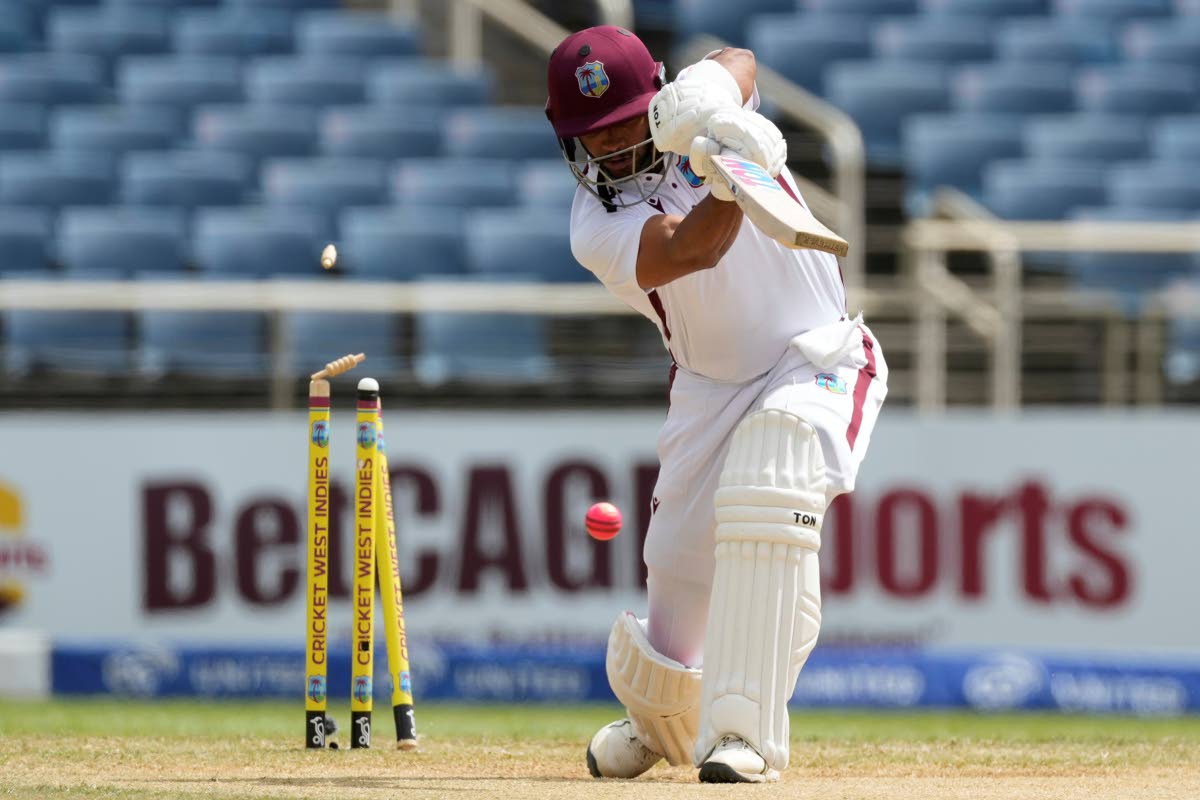
This historical context highlights a stark contrast with contemporary challenges. Today’s Caribbean batsmen demonstrate diminished technical proficiency and mental resilience, attributes traditionally cultivated through first-class cricket’s rigorous demands. The T20 format’s dominance has created a generation unfamiliar with prolonged concentration against varied bowling strategies, where batsmen face temporary bowling threats rather than sustained tactical examinations.
The foundational principles of batsmanship—developed through two-innings cricket where discipline and technique are paramount—are being eroded by excessive T20 exposure. Where Sir Frank Worrell’s team elevated cricket through artistic excellence, current development pathways prioritize explosive brevity over enduring craftsmanship, resulting in weakened batting fundamentals across West Indian cricket.