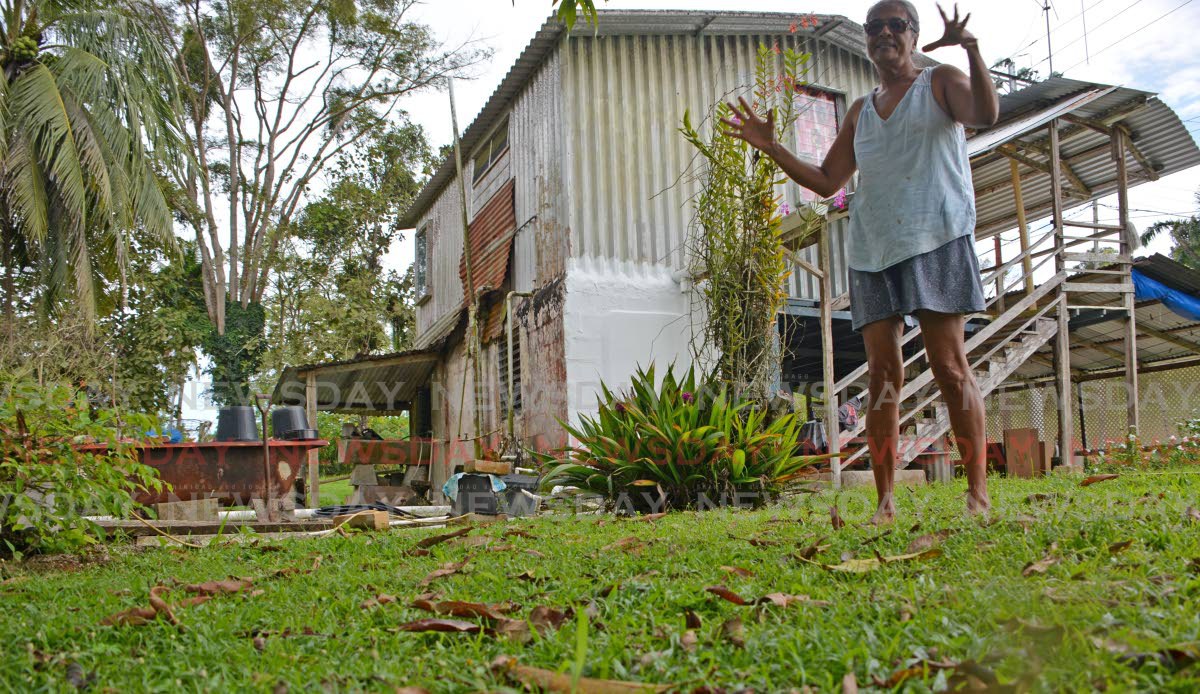
The Piparo Mud Volcano in Trinidad has entered a dangerous phase of heightened activity, compelling residents to abandon their homes following a comprehensive geological assessment that classified the feature as “very active” with elevated risks to the surrounding community. While surface manifestations have diminished since last week’s seismic event, the underlying threat remains critically high according to researchers from the University of the West Indies (UWI).
The December 24 volcanic activity triggered substantial ground movement that damaged infrastructure and homes throughout the Piparo region. Kim Seebaran, a 65-year-old resident of Panchoo Trace, described the terror of hearing her roof buckle and watching utility poles tilt during the earth movements. After reviewing the UWI report indicating mud and pressure advancing northwest toward her property, Seebaran made the difficult decision to relinquish 32 years of history and relocate to Chaguanas.
Fedell Solomon, whose residence at the intersection of Panchoo Trace and Piparo Road suffered severe damage, has arranged for his three young daughters to evacuate following the alarming scientific findings. Solomon emphasized the heartbreaking nature of this decision, noting it marks the first separation from his children but acknowledging that “life is important” when facing geological threats.
The UWI research team, led by Professor of Geomechanics and Geophysics Oshaine Blake and PhD candidate Kerneese Ramjarrie, analyzed data from monitoring instruments positioned around the volcanic site. Their report confirmed rapid pressure buildup and northwestward mud movement, recommending urgent funding enhancement for improved monitoring capabilities and early warning systems.
At Robinson Hill, the landslip rendered roads impassable and structurally compromised Sybil Badall’s home, making it appear as though resting on a sliding surface. Her son Vickram Moonesar expressed concerns about relocation needs, particularly with his eldest son preparing for crucial academic examinations.
Despite police barricades, some motorists attempted to navigate the damaged thoroughfares, exiting vehicles to guide drivers across compromised sections. While residents criticized delayed emergency response times, they acknowledged governmental efforts in restoring utilities and initiating road repairs.
The community faces complex challenges, with many families having multi-generational ties to the area. Solomon highlighted the insensitivity of social media commentary questioning why residents built near volcanic sites, explaining that many homes predated the volcano’s development and relocation presents significant logistical and financial hurdles.
The Piparo volcano, Trinidad’s most active among 32 such features, previously erupted violently in February 2017, displacing 300 people and causing substantial property damage. The current activity represents the most significant threat since the 1997 eruption, with additional periods of heightened activity occurring in October 2019 and during the recent Christmas Eve event.
Government authorities, including Minister of Rural Development and Local Government Khadijah Ameen and Princes Town MP Dr. Aiyna Ali, have not yet commented on the UWI findings. The Office of Disaster Preparedness and Management is scheduled to convene emergency responders to discuss implications for existing response plans.