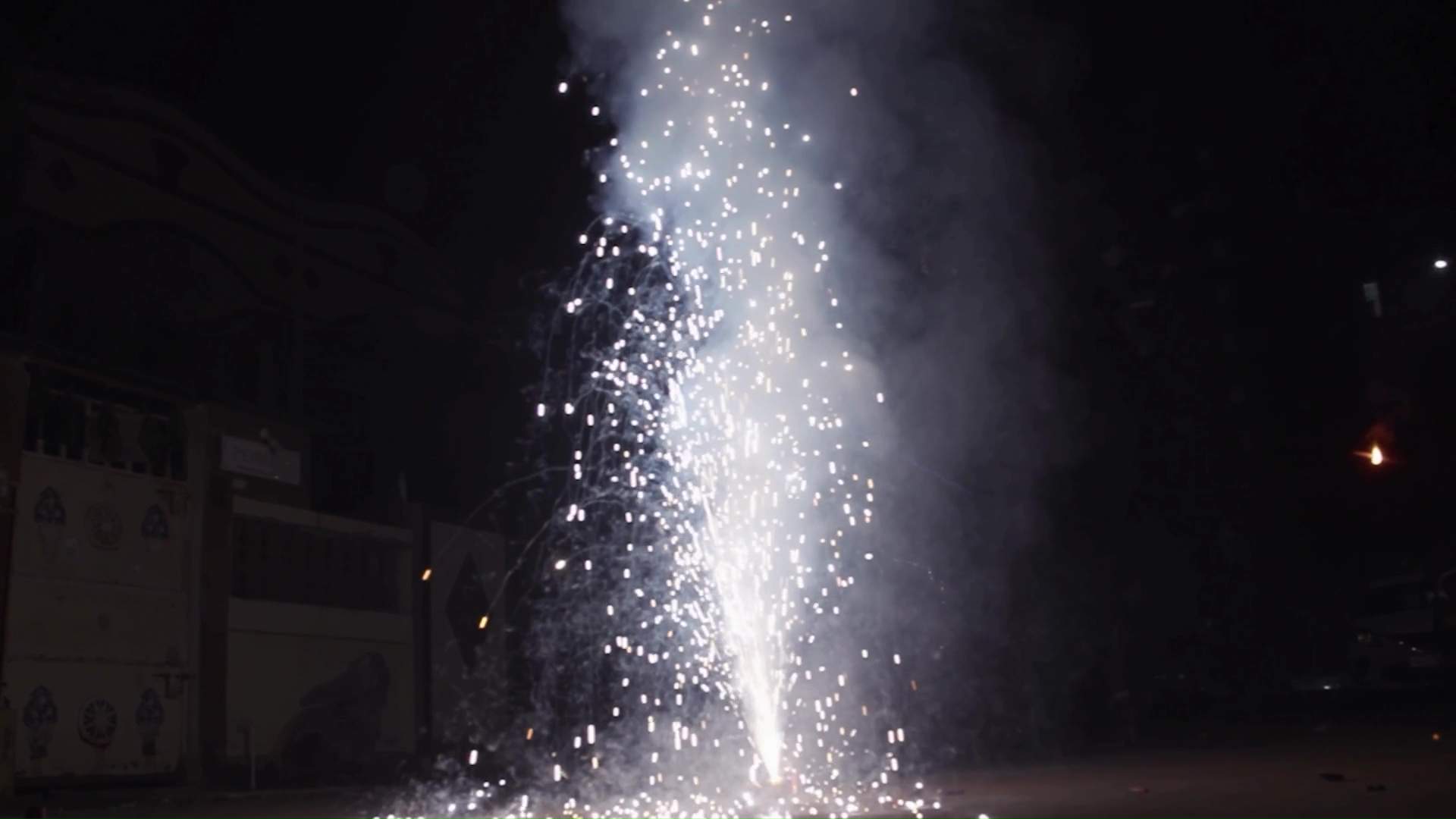
As Belize’s holiday season reaches its zenith with vibrant pyrotechnic displays, a growing chorus of animal welfare advocates, veterinarians, and concerned citizens is sounding alarms about the dark side of these celebratory traditions. The very explosions that paint the night sky with joy are creating waves of terror among domestic pets, wildlife, and vulnerable populations throughout the nation.
For generations, fireworks and firecrackers have been integral to Belize’s cultural celebrations, marking everything from Independence Day to Christmas and New Year’s Eve. However, beneath the surface of these dazzling displays lies a mounting crisis of animal trauma and public safety concerns. Sheila Ford, Director of Corozal Animal Welfare Advocates, reports alarming patterns during pyrotechnic events: “We lose numerous animals when fireworks detonate. Unsecured pets frequently bolt into danger, facing vehicular accidents or becoming hopelessly lost. Those remaining home endure sheer terror, often trembling beneath furniture for hours.”
The psychological impact on animals manifests in extreme ways. Michelle Rudon, President of the Society for the Promotion of Animal Rescue and Kindness (SPARK), witnessed firsthand a dog’s traumatic reaction: “The animal descended into panic, racing in frantic zigzags across streets despite considerable distance from the explosions. The amplified perception of sound in animals creates disproportionate suffering.”
Veterinary clinics report sharp increases in emergency cases during holiday periods. Dr. Jane Crawford of the Animal Medical Center detailed the consequences: “We’ve performed emergency surgeries on three animals just this Christmas alone. One jumped from a verandah, sustaining severe injuries requiring immediate intervention. Even securely fenced animals become so agitated they chew through barriers to escape the continuous detonations.”
The problem extends beyond domestic animals to wildlife and human populations. Birds and other wild creatures experience severe trauma from the concussive blasts, while elderly residents and those with health conditions report sleep disruption and heightened anxiety.
A critical legal dimension compounds these issues: all fireworks and firecrackers qualify as explosives under Belize’s Chapter 134 Dangerous Goods Act, requiring licensed handling. Despite these regulations, authorities acknowledge the near-impossibility of curbing illegal usage during holiday seasons. Halima Santos, SPARK Accountant, questions the enforcement gap: “These explosives are sold illegally nationwide. Does every household possess permits for these dynamites? The law exists precisely to protect both humans and animals from such distress.”
Animal advocates propose multiple solutions, including implementing restricted time frames for fireworks usage, transitioning to silent fireworks technology, and completely banning particularly disruptive explosives like cherry bombs and dynamites. As Belize balances cultural traditions with contemporary responsibility, the nation faces pressing questions about how to celebrate without causing collateral harm to its most vulnerable inhabitants.