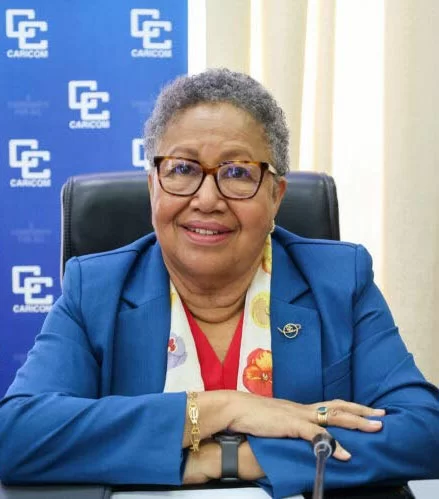
In her year-end address, CARICOM Secretary-General Carla Barnett delivered a comprehensive assessment of the Caribbean region’s turbulent year, highlighting both significant challenges and notable achievements. While citizens throughout the region celebrate the holiday season, Barnett emphasized the vulnerabilities exposed by recent crises and the critical importance of regional unity.
The Caribbean faced devastating natural disasters in 2024, with Hurricane Beryl and Hurricane Melissa causing severe damage across multiple member states. Jamaica and Haiti suffered particularly catastrophic impacts, experiencing substantial loss of life and widespread infrastructure destruction. Barnett noted that recovery efforts would demand considerable resources and extended timeframes. Compounding these natural disasters, unprecedented geopolitical tensions threatened export revenues, regional stability, and national sovereignty throughout the Caribbean basin.
Despite these formidable challenges, the Caribbean community demonstrated its characteristic resilience. Member states collaborated swiftly to address urgent post-hurricane needs and implemented creative solutions to protect businesses and livelihoods. This coordinated response underscored the region’s capacity for effective crisis management.
Significant progress was achieved in regional integration through the implementation of the CARICOM Single Market and Economy (CSME). Barbados, Belize, Dominica, and Saint Vincent and the Grenadines initiated full free movement of citizens between their territories, facilitating enhanced economic activity and people-to-people connections. Additionally, substantial advancements were made in developing a comprehensive industrial policy strategy, laying the groundwork for strengthened productive capacity, innovation, and economic diversification.
The agricultural sector witnessed production growth through the continued “25 by 2025+” initiative, though hurricanes and climate-related events created substantial setbacks for farmers. Culturally, CARIFESTA XV in Barbados showcased the region’s rich artistic talents through a vibrant celebration of crafts and performances. Democratic traditions remained strong with peaceful general elections conducted in seven member states and five associate members.
CARICOM maintained its commitment to human capital development and inclusivity, with special focus on enhancing participation of youth and women in economic activities, decision-making processes, and regional affairs. The organization is proactively preparing for future challenges by examining artificial intelligence’s business impacts and improving physical and digital connectivity to stimulate economic growth.
Disaster resilience strengthening and food security enhancement remain top priorities for the regional body. Barnett expressed gratitude to Caribbean citizens, whose engagement and empowerment represent the region’s greatest strength. She also commended CARICOM Secretariat staff, international partners, civil society organizations, private sector entities, trade unions, and the Caribbean diaspora for their sustained contributions.
With confident outlook, Barnett affirmed CARICOM’s determination to respond clearly and decisively to emerging challenges. Recent meetings of the Conference of Heads of Government in Barbados and Jamaica demonstrated strategic focus and commitment to actionable solutions. The Secretary-General called all regional and international stakeholders to advance together toward building an inclusive community characterized by resilience, prosperity, and unity. She concluded with wishes for peace and progress throughout the coming year.
CARICOM, established on July 4, 1973 through the Treaty of Chaguaramas (revised in 2001 to enable common market establishment), comprises 15 member states including Trinidad and Tobago, plus six associate members.