Turkish and Libyan authorities have initiated a comprehensive multinational investigation into the catastrophic crash of a private jet carrying Libyan military commander Mohammed Ali Ahmed al-Haddad and seven other passengers near Ankara. The probe, coordinated by Turkey’s chief prosecutor’s office in Ankara, involves meticulous examination of technical data, flight records, crew activities, and aircraft maintenance history.
The French-manufactured Dassault Falcon 50 departed Ankara Esenboğa Airport on Tuesday at 14:17 local time en route to Libya. Sixteen minutes after takeoff, the aircraft reported electrical system failure and requested emergency landing clearance. Radar contact was lost approximately at 14:41 during descent toward the runway, with officials noting a mere two-minute window between the distress signal and the actual crash near Kesikkavak village, about 70 kilometers south of Ankara.
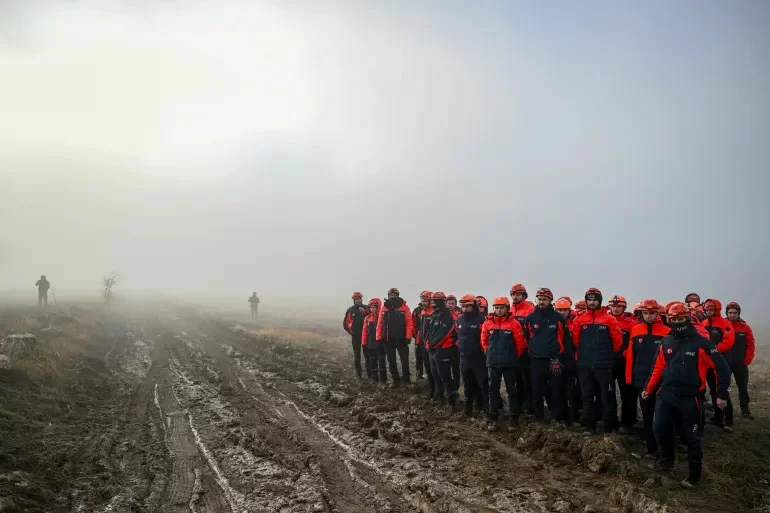
French Bureau of Enquiry and Analysis for Civil Aviation Safety (BEA) experts have joined the investigation team, which has secured all wreckage components including both cockpit voice and flight data recorders. The crash site remains secured by Turkish security forces as forensic analysis continues.
The investigation encompasses multiple dimensions: radio communications between pilots and air traffic control, crew duty schedules, medical records, maintenance documentation, and fuel sample testing from both the wreckage and airport sources. Meteorological conditions at the time of the incident are also under scrutiny.
Aviation analyst Guntay Simsek emphasized that preliminary findings show no evidence of external factors such as explosions, with the investigation proceeding under International Civil Aviation Organization (ICAO) protocols. A preliminary report is expected within 30 days, while the final comprehensive analysis may require up to 12 months.
Turkish Transport Minister Abdulkadir Uraloglu indicated the black boxes might be analyzed abroad, raising questions about technical capabilities in Turkey and Libya. The incident highlights the complexities of international aviation investigations involving multiple jurisdictions, manufacturers, and regulatory bodies.